1. Quick links
2. Editor's picks
3. Best TV deals
4. Best headphones deals
5. Best soundbar deals
6. Best projector deals
7. Best Bluetooth speaker deals
8. Best hi-fi speaker deals
9. Best turntable deals
10. Best system deals
11. Best home cinema deals
12. Black Friday FAQ
Black Friday is over. Or is it? Because a whole host of deals live on, meaning you can still get big money off all manner of top audio visual gear. But you'd better hurry – there's no telling when these deals will end.
Deals include Award-winning Sony headphones, LG OLED TVs, five-star hi-fi speakers, home cinema setups and more.
We've got all these deals and many, many more below, with around 200 of the best Black Friday discounts on this page alone. If you're looking for home cinema or hi-fi deals, this page is your one-stop shop for a curated selection of the best products around.
• Browse all of today's best Amazon deals
We prioritise deals on products that our expert review team has tested and recommended, and many of the deals below are five-star devices or award-winners.
We search far and wide for the very best deals, highlighting specialist retailers such as Richer Sounds and Peter Tyson as the cream of the crop from the Amazon Black Friday sale.
Some Black Friday deals have already gone the way of the dodo, so if you're tempted by any of the below, we recommend you shop with haste.
Best Black Friday deals – quick links
- Amazon: browse all of today's best deals
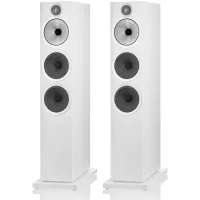
- B&W speakers: save £200
- Bluetooth speaker: 50% off five-star JBL
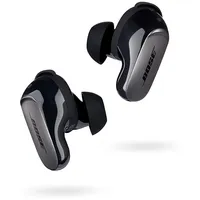
- Bose QC Ultra Earbuds: save £100
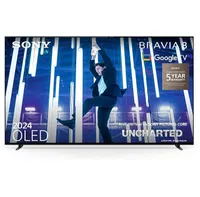
- Bravia 8 TV: save big on 55in Sony TV
- Denon AV receiver: save £600
- Dolby Atmos soundbar: down to £268
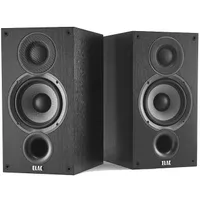
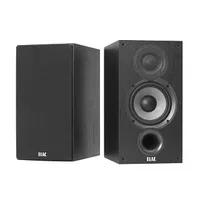
ELAC Debut 2:five-star speakers now £179- Headphones: Sennheiser Momentum 4 now £169
- LG C5 55-inch: lowest-ever price at Richer Sounds
- JBL soundbar: now better than half price
- John Lewis: price match on LG and Sony OLED TVs
- OLED TV: save
£1000£800 on our no.1 choice - Richer Sounds: browse Black Friday deals
- Sevenoaks: £160 off Award-winning speakers
- Sony headphones: now just £29
- Stereo amplifier: Cambridge Audio now £299
- TVs, movies, home cinema: browse the best deals
- Vinyl: 3 for £66 at Amazon
- Wine, beer and spirits: save up to 34% on drinks
- Wireless earbuds: Award winners now £75
Editor's picks – best Black Friday deals
Best Black Friday deals 2025


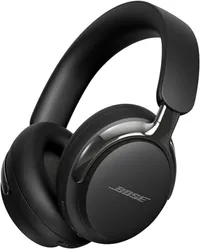

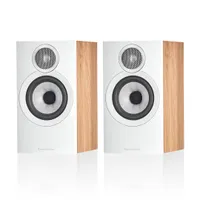

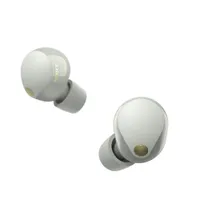
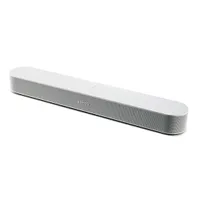
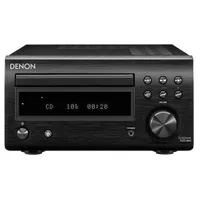
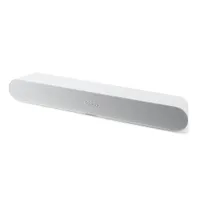
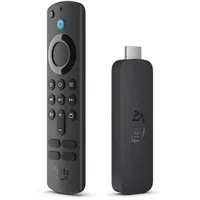
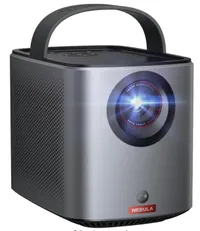
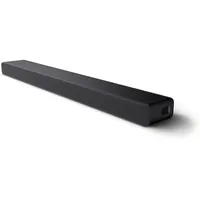
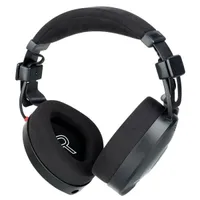


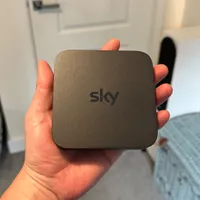
Best Black Friday deals: TVs
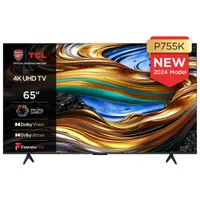

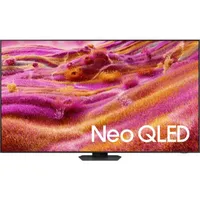

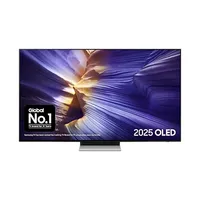

Best Black Friday deals: Headphones

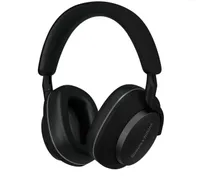

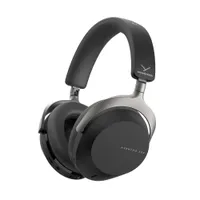

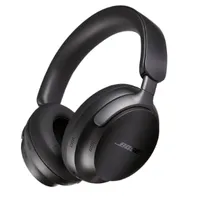
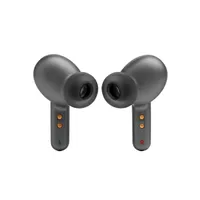



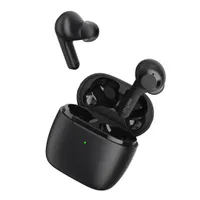

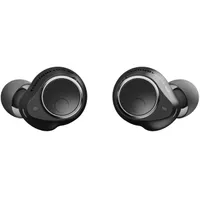

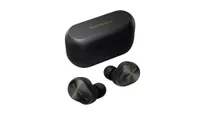
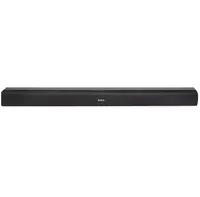
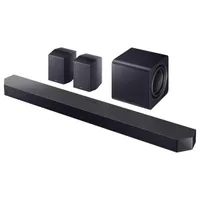
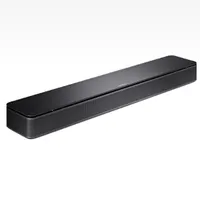
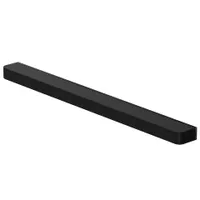
Best Black Friday deals: Soundbars

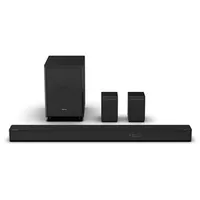
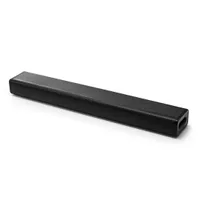
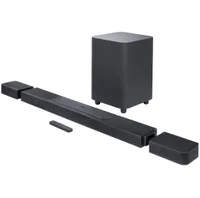
Best Black Friday deals: Projectors
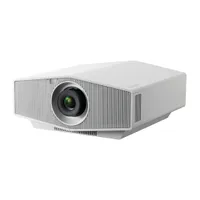
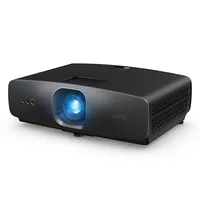
Best Black Friday deals: Bluetooth speakers





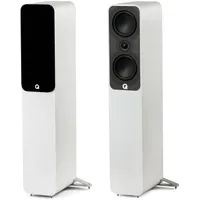
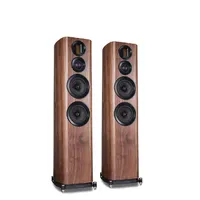
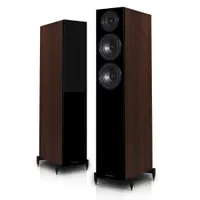
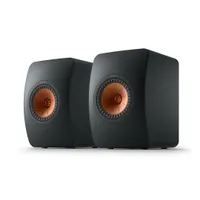
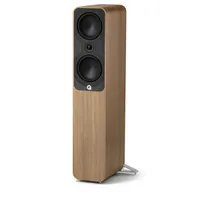
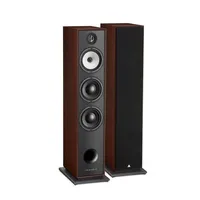
Best Black Friday deals: Hi-Fi speakers
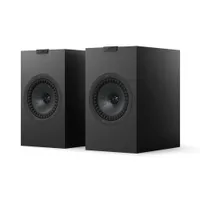
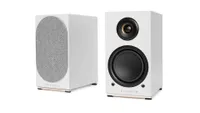
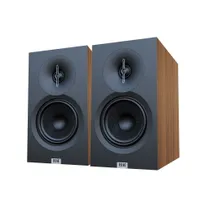
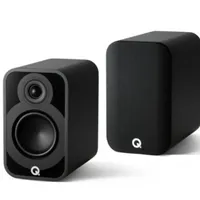
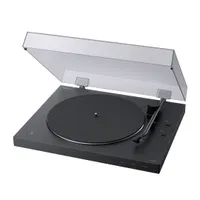
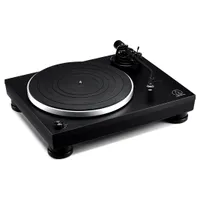
Best Black Friday deals: Turntables
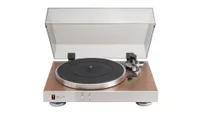
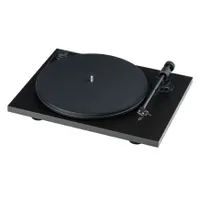
Best Black Friday deals: Hi-Fi systems
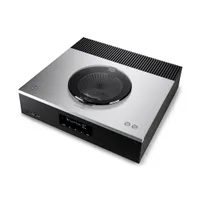
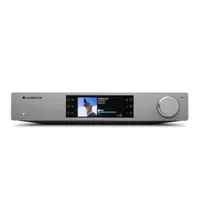
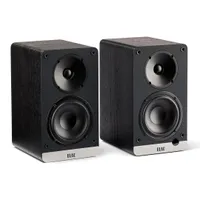

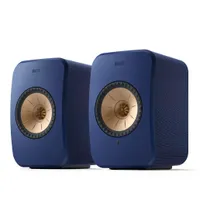
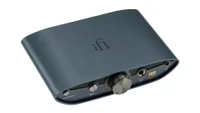
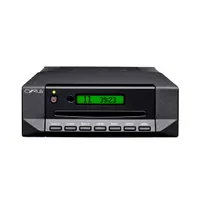
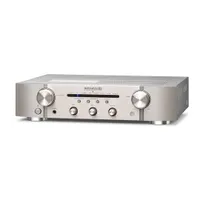
Best Black Friday deals: Home cinema

Black Friday FAQ
When is Black Friday 2025?

The Black Friday 2025 date is Friday 28th November. Cyber Monday 2025 will be Monday 1st December.
Black Friday always takes place on the Friday after Thanksgiving, which means this year it will fall on Friday 28th November. Most retailers will want to make the most of what will typically be the busiest 24 hours of the event, meaning we can expect deals going live at midnight and running until the end of the day.
Of course, you can rest assured that Black Friday will stretch out longer than just 24 hours – those days are long gone. Instead, expect at least a week of build-up, maybe longer, from many retailers. And of course, the Black Friday sales continue through to Cyber Monday, which is always the Monday after Black Friday.
What is Black Friday?
Black Friday began on the other side of the Atlantic but in recent years has very much become a worldwide and UK shopping phenomenon. It's regarded (and backed up by stats) as the busiest shopping day of the year – both online and in-store – and officially kicks off the holiday season.
Why is it called Black Friday? The date was traditionally the start of the Christmas shopping season when retailers hoped to move out of the "red" (loss) and into the "black" (profit), hence Black Friday. Cyber Monday is the online equivalent to Black Friday, and was created to give smaller websites a chance to compete with larger retailers.
What is Cyber Monday?
The term 'Cyber Monday', meanwhile, was coined by Scott Silverman and the National Retail Federation's Ellen Davis in a bid to encourage people to take their shopping online during the Black Friday event. That was back in 2005, when people needed such encouragement! It's always the Monday after Black Friday.
How long will Black Friday last?

Well, Black Friday is 24 hours. And Cyber Monday is 24 hours. But like other big sales events, you always have preliminary and aftermath offers.
For one, deals will run during the weekend sandwiched in the middle of the two days. And in the days and weeks building up to them, there will be plenty of early Black Friday deals flooding the internet.
Are Black Friday deals any good?
After the initial few years of excitement around Black Friday in the UK, we naturally moved to the apathy stage, as people began to question whether the offers were genuinely good deals. And it remains up for debate.
For example, it's not unusual to see discounted products rise in price in the summer months ahead of a "price cut" come Black Friday; this means you're essentially just getting the original discounted price from earlier in the year. That said, there are always genuine deals to be had – it's just finding them amongst the onslaught of offers.
That's where we come in; we'll handpick all the the best TV, audio and AV deals across retailers to identify the genuine Black Friday 2025 deals. And don't forget: you can always refer back to our in-depth reviews to check up on a specific product's performance, features and value for money.
It's best to have a rough idea of what you want in mind – whether that be noise-cancelling wireless headphones under £200, a discounted 55-inch 4K OLED TV or a cheap record player – but restricting yourself only to specific models will reduce your chance of being lucky in the Black Friday and Cyber Monday sales. Pick the features you fancy, then see what ticks your boxes and has the best Black Friday discount.
What Black Friday deals can you expect?
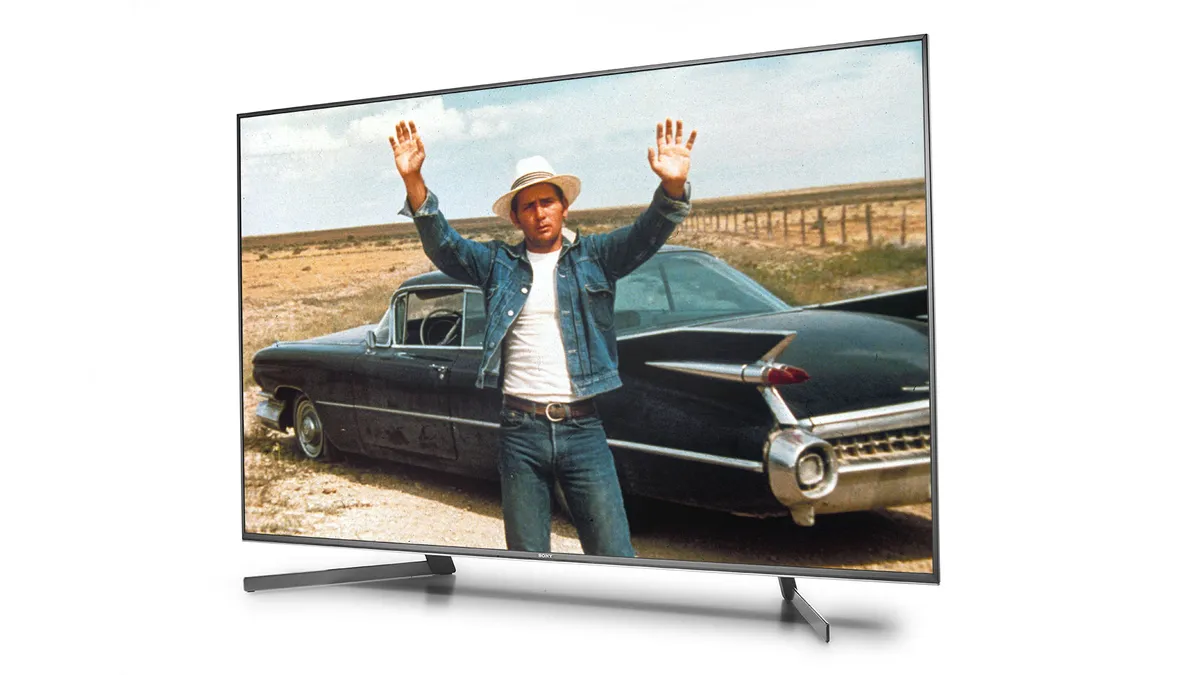
LG OLED TVs, JBL Bluetooth speakers, Sony wireless earbuds and Bose headphones, Alexa and Echo devices, Apple AirPods... you get the picture. Some of the most popular products of the year are almost guaranteed be on offer at pretty much every electronics retailer during Black Friday 2025.
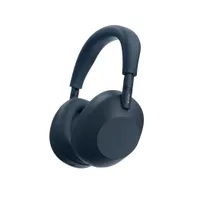
Previous big-sellers over Black Friday also include the Sonos Beam (Gen 2), Sony WH-1000XM5 and WF-1000XM5, Amazon Echo and Fire products, Bose wireless earbuds and noise-cancelling headphones, UE speakers, Naim Mu-so products, Denon AV receivers, OLED TVs and plenty more.
The recent Amazon Prime Day in October gives us a good idea of what to expect. That saw super low prices on the AirPods 4, LG C5 OLED TV, Sonos Beam (Gen 2) and the Sony WF-C710N and WF-C510 wireless earbuds, among others. Here's hoping Black Friday proves even better.
Where to get the best Black Friday deals?
Amazon is obviously one of the biggest players. That's not only down to its size and ubiquity – it also discounts its own products by massive amounts. Considering they're already some of the most competitively-priced devices in their product areas, there are some real bargains to be had.
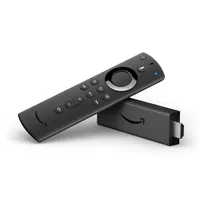
Its Echo speakers were reduced to better than half price in its recent Prime Big Deal Days sale (aka October Prime Day), so we would expect a repeat performance come Black Friday. Its Fire TV Sticks are also usually among the best deals going.
LG has already slashed the price of its excellent C5 OLED TV, so we're hoping it goes even further. Not to be outdone, Sony's Bravia 8 II fell in price substantially during the last Prime Day, so look out for another hefty discount.
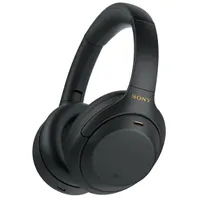
There should also be bargains on older devices. Now that the Apple AirPods (2019) are no longer available from Apple, retailers could be hoping to clear stock. Sony's WH-1000XM4 are getting on now, so this could be their last Black Friday. LG's C3 OLED has been convincingly outperformed by its successors, so the C3 could go for a song.
We won't forget the hi-fi and home cinema kit, so will be on the lookout for deals on B&W and KEF speakers, not to mention 4K and portable projectors, AVRs, turntables and more.
We're confident the specialist AV retailers such as Richer Sounds and Sevenoaks will deliver some hi-fi and home cinema bargains – this year's What Hi-Fi? Award-winners are a good place to start when it comes to finding a price reduction.
MORE: