
In brief
- We rate Tidal as the best music streaming service for hi-res, thanks to its excellent sound quality.
- Amazon Music Unlimited is our pick as best value, and YouTube Music is best for video. Qobuz is best for audiophiles.
- We prefer Apple Music over Spotify. Spotify has the best free tier, but its paid-for offering has suffered in the face of stiff competition. Apple Music is best for iOS users, sounds better, and is cheaper too.
We would choose vinyl over streaming any day of the week, but sometimes you don't have a choice. If you want to listen while out walking, driving or commuting, streaming is the way to go.
With over 100 millions tracks in your pocket for a small monthly fee, even vinyl diehards can't deny streaming has its pluses.
But which service should you choose?

All the major ones offer similarly-sized music libraries, hi-res listening and functionality across a wide range of devices. But there are some differences between them. Sound quality and price, to name but two.
If you're wondering which would serve you best, you're in the right place. We've reviewed all the big hitters to consider their music libraries, usability, features, prices and sound quality.
Here are the best music streaming services available.
May 2026: We've updated the intro, added more images for the Spotify entry and updated Tidal's Australian pricing.

I'm a senior staff writer at What Hi-Fi? and focus primarily on audio and hi-fi products. Due to this, I naturally spend a lot of time using all of the latest music streaming services.
What makes one better than the next, you might be wondering?
Crucial factors to consider include sound quality, the range of the catalogue on offer, and the intuitiveness of the user interface and software.
In this guide, we'll be going over many of the most popular music streaming services and discussing what makes each one stand out from the next.
The best music streaming services we recommend in 2026
Why you can trust What Hi-Fi? Our expert team reviews products in dedicated test rooms, to help you make the best choice for your budget. Find out more about how we test.
Best for hi-res


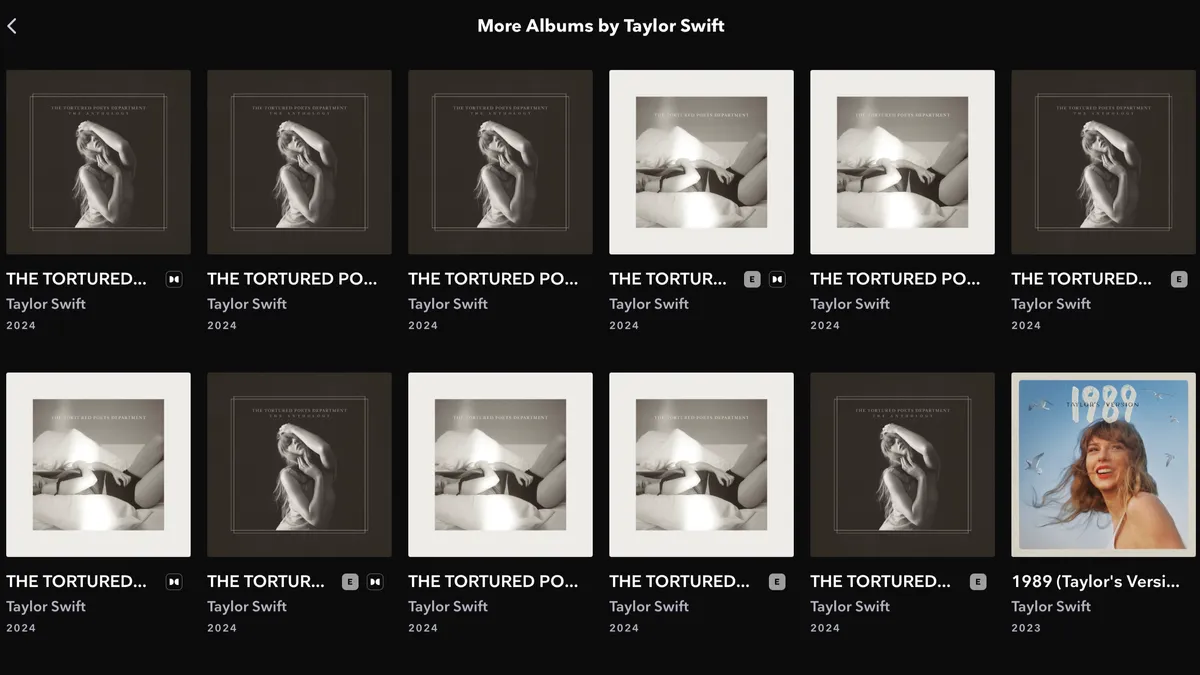
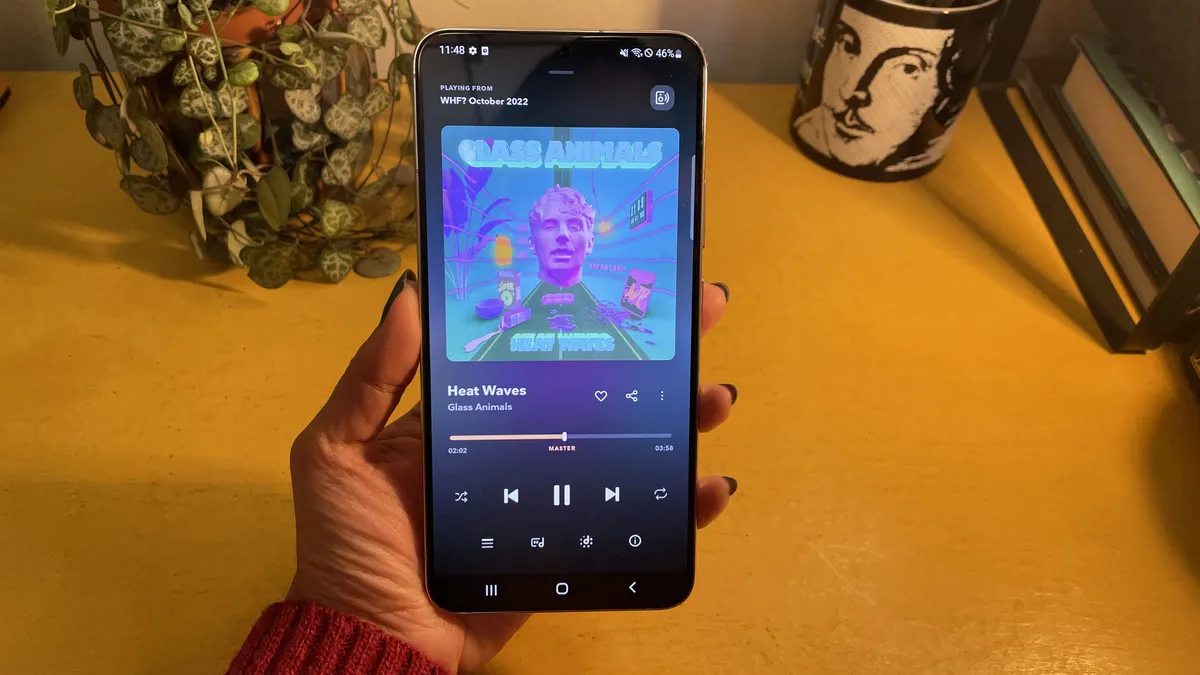
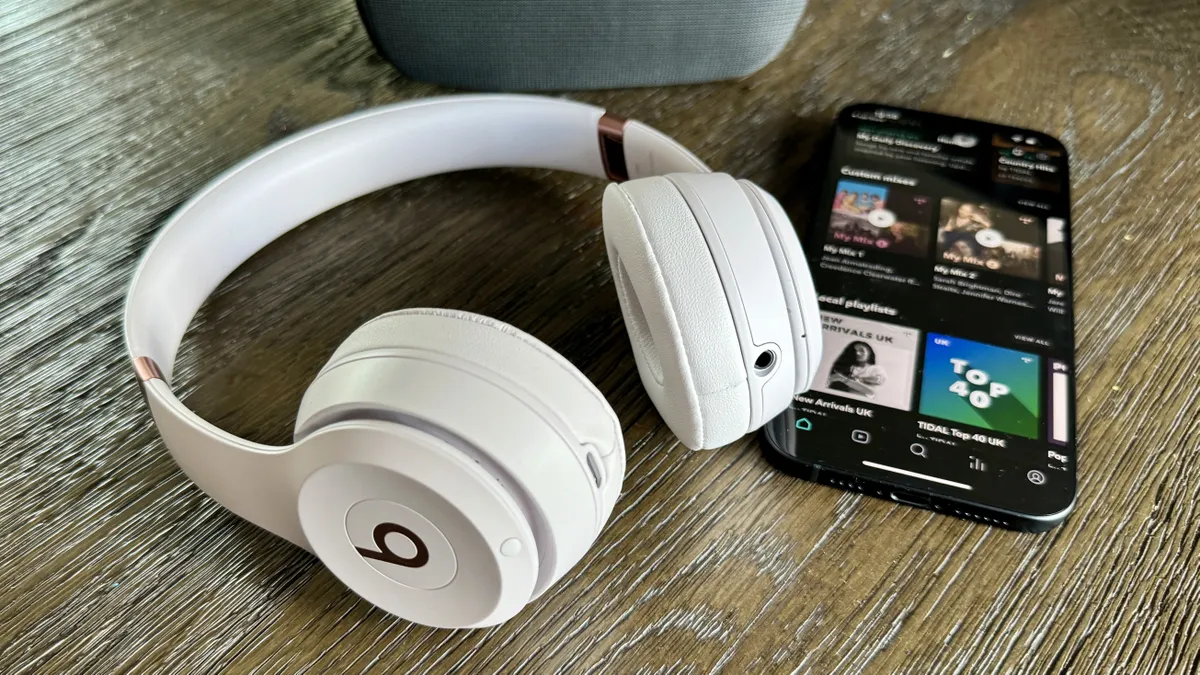
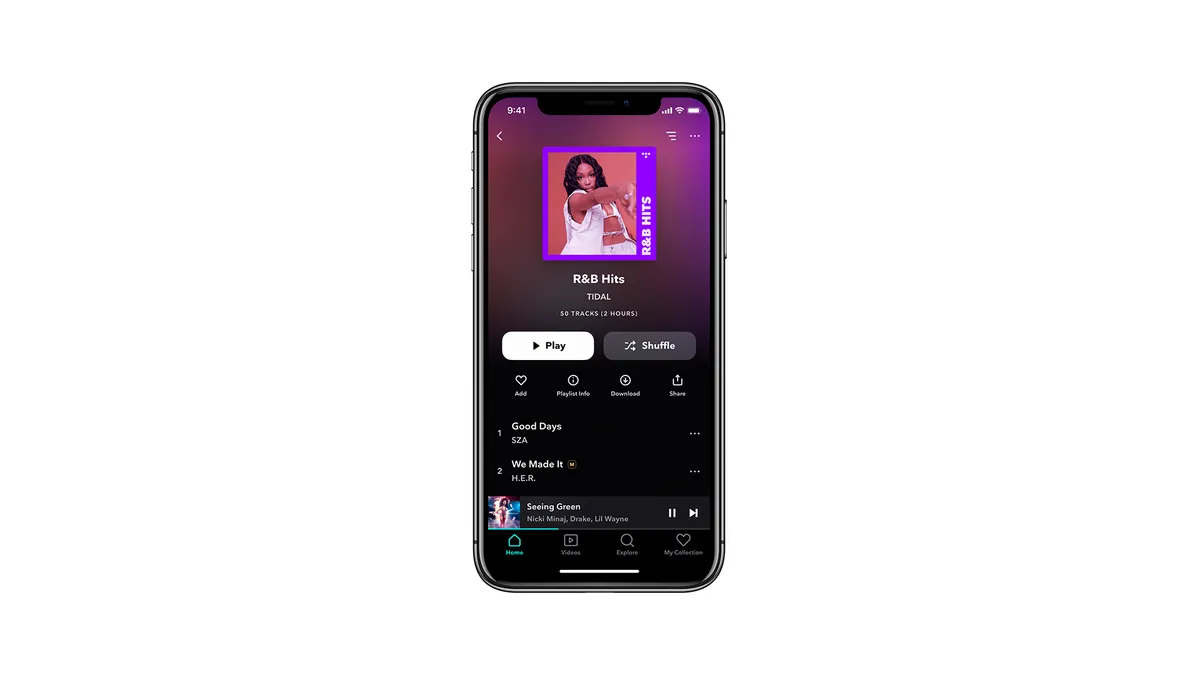
Tidal is now a serial Award-winner and has long been at the forefront of high-quality streaming. The service was made more accessible recently, with a simpler, cheaper pricing structure – it's combined its HiFi and HiFi Plus tiers into an Individual plan that costs the same as the cheaper HiFi Plan used to (£11 /$11 / AU$13).
That gets you lossless CD-quality streams alongside millions of hi-res audio tracks that are typically 24-bit/96kHz but do go up to 24-bit/192kHz.
Tidal now gives access to FLAC files after it ditched the MQA (Master Quality Authenticated) technology. It also includes tracks mixed in immersive sound formats (Dolby Atmos Music and Sony 360 Audio recordings).
There's also offline listening, personalised mixes and live sessions.
Groups of up to six people can opt for a Family tier that gives you the same features at the discounted rate of £16.99 / $16.99 / AU$20 a month. And the Student tier costs £5.49 / $5.49 / AU$6.49. The DJ Extension add-on for Individual and Student plans lets you play around with tracks in certain music software thanks to stem separation. It costs £9 / $9 / AU$11 a month.
You can access Tidal through iOS, Android, desktop – all of which offer hi-res streams – as well as a browser-based player and a good spread of other platforms, such as Sonos.
Tidal Connect also now allows you to connect via wi-fi to a growing list of products from manufacturers including NAD, Naim, KEF, Bluesound, Dali, Cambridge Audio, McIntosh and more.
Tidal’s ease of use is exemplary, and sound quality is exceptional across the board. The CD-quality streams display excellent levels of detail and expression, and hi-res recordings take this up a level.
Sonically Tidal still has the edge over almost all the competition, although Apple Music’s ALAC streams manage to match it for openness and subtlety.
We noted in our Tidal review: "Play the hi-res version of Dear Life by Beck and the piano-led rhythm is executed more precisely than the CD-quality version. And that organisation and punctuality put Tidal’s Masters just ahead of the hi-res streams offered by rivals Qobuz and Amazon Music, which lack a little sonic cohesion in comparison."
Tidal also distinguishes itself from the rest of the pack by introducing initiatives designed to provide artists with direct payments that represent each user’s listening habits rather than being attributed by aggregation.
If you’re a conscientious music fan looking for the best high-quality streaming experience, with an extensive catalogue, immersive content, broad device support, and improved discovery features (and you aren’t already tied into the Apple ecosystem), Tidal is still the one to choose.
Read the full Tidal review

We rate Tidal very highly at What Hi-Fi? and use it extensively during our testing processes for anything audio related.
There are a few reasons for this, primarily for the ability to access high-resolution audio formats across a very large library of music and audio. It also has a clean, easy-to-navigate app with some great options for playlist curation.
It’s worth noting that Tidal has removed its free tier and reorganised its payment plan. While this might be alarming news for those who used the free service, Tidal’s new structure means hi-res, lossless, and spatial audio content are available with an individual user plan costing £11/$11/AU$13 per month.
Best for iOS
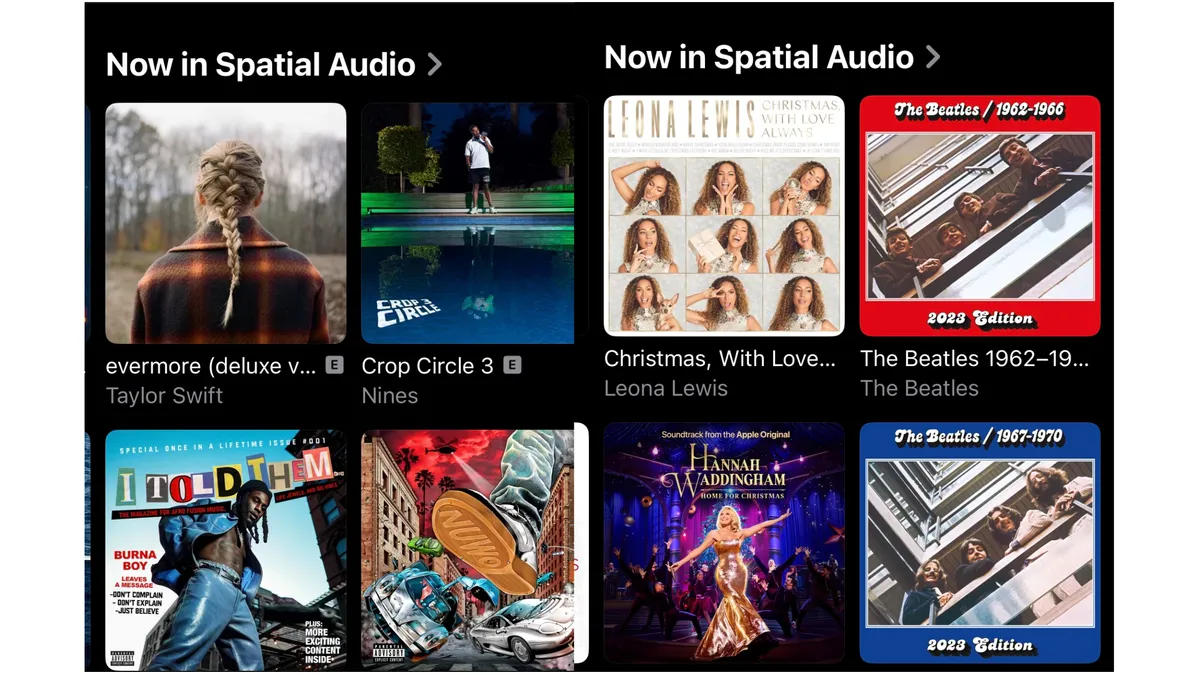


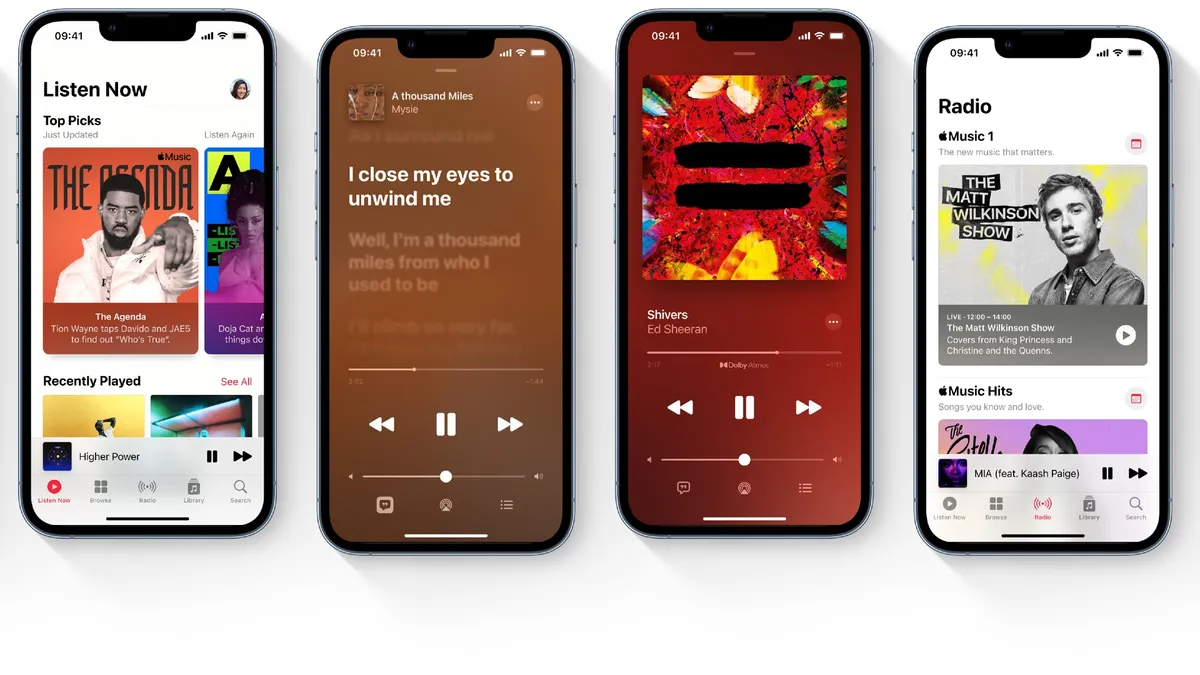
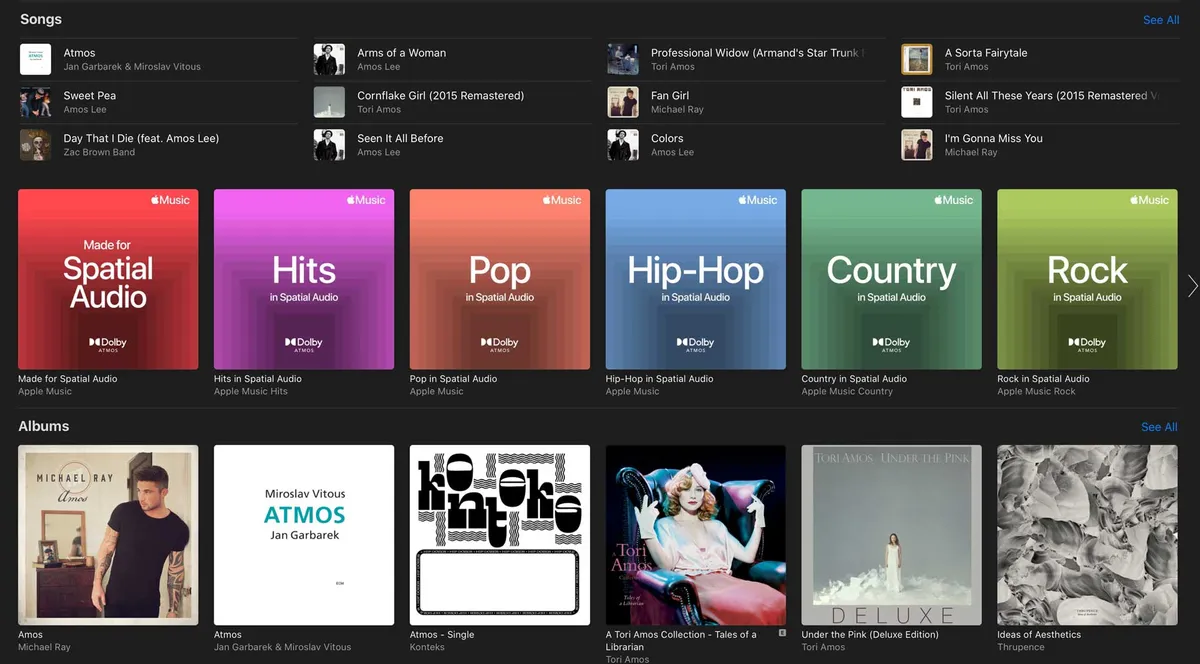
Unsurprisingly, Apple Music is aimed squarely at Apple users, so Android owners often want to look elsewhere – although that needn't be the case. However, if you’re fully immersed in Apple’s ecosystem, Apple Music makes a lot of sense.
Whether using the desktop or mobile app, the interface is easy to navigate with a simple yet effective layout. The service does a great job of curating playlists and serving up useful and intelligent recommendations.
While there's no free tier, Apple has now added support for lossless audio and spatial audio with Dolby Atmos without charging any extra.
The service's 100 million-strong catalogue is available in CD-quality (16-bit/44.1kHz) with most tracks available in hi-res (24-bit/48-192kHz), and subscribers will also receive access to the Apple Music Classical service at no extra cost.
That's a really good deal if you're into classical music with hi-res and spatial audio support.
However, there are some limitations on what kit can playback Apple’s high-quality offering. For example, although Apple Music with Dolby Atmos will work with all headphones and Apple’s own HomePod 2 and HomePod Mini (following a software update), the AirPods Max 2 only support lossless audio when connected over USB-C.
Also, while Apple’s iPhones (since the iPhone 7) natively support lossless, that only applies to Apple Music Lossless and not the highest quality Hi-Res Lossless. So if you want to listen to Apple Music tracks above 24-bit/48kHz on your iPhone, you’ll need to shell out for an external DAC and use a wired pair of headphones.
Apple hasn’t revealed the bitrate it uses for its standard streams, but tracks sound clean, snappy and entertaining.
Compared with similar tracks on Spotify (approximately 320kbps streams), Apple’s have greater subtlety and more space around instruments while its ALAC (Apple Lossless Audio Codec) streams match Tidal for openness and subtlety – "we’d even go far as to say that Apple Music tracks can sound a touch cleaner, too," we said in our Apple Music review.
Apple Music offers tracks in 24-bit Lossless (24-bit/48kHz) and Hi-Res Lossless (up to 24-bit/192kHz). Both of which are a cut above Spotify Lossless, which tops out at 24-bit/44.1kHz. In terms of hi-res sound quality, the difference is clear, with Apple Music sounding way clearer and better defined than Spotify Lossless.
If you’re an Apple user, this is undoubtedly the most attractive and best-value hi-res streaming service out there.
Read the full Apple Music review
Best free tier


Despite its critics, Spotify remains comfortably the most popular and convenient way to get your music fix.
Not only does it offer decent (by most people's standards) quality of approximately 320kbps, but it also boasts one of the most exhaustive and easy-to-navigate catalogues – though there have been times when some big artists, including Taylor Swift, Prince, and Neil Young, have been absent. They've all since returned, but it's a good example of how precarious the streaming business can be.
The platform's catalogue of over 100 million songs can be played on pretty much any device you own, thanks to intuitive iOS and Android apps and support on many of the best TVs, connected speakers and other AV kit courtesy of Spotify Connect.
Sadly, we've recently seen yet another price rise (the second in just over 18 months, in the US at least). Subscriptions now start at £13 / $13 / AU$16 a month. Not that this will affect those on its free tier, of course.
The service is renowned for its new music discovery algorithms, which compile excellent weekly playlists tailored to your music tastes. And the more you listen, the more the playlists evolve – a compelling reason to choose Spotify as your streaming service.
Spotify delivers an accessible, comprehensive and complete experience and even offers a meaty discount for students. Plus, if you don't have any spare cash to spend, there's a free tier that offers lower-quality streams supported by adverts.
For the new Lossless quality, you'll need a Premium subscription, however. The 24-bit/44.1kHz streams aren't as high quality as some rivals, and the tier is around £1 pricier, too. Lossless also arrived much later than rivals.
Its better-than-CD quality is a definite improvement, but it's still not as good as most rivals. Tracks on Tidal sound "that bit clearer, fuller and more refined," we wrote in our updated Spotify review. Most people won't notice, but if you're listening on equipment that's sophisticated enough to fully reveal sound quality – and we hope that you are – you'll be better served elsewhere.
Spotify is still a good option for most people. But if you truly care about sound quality, you'll see why it hasn't earned its fifth star back from us.
Read the full Spotify review
Best value
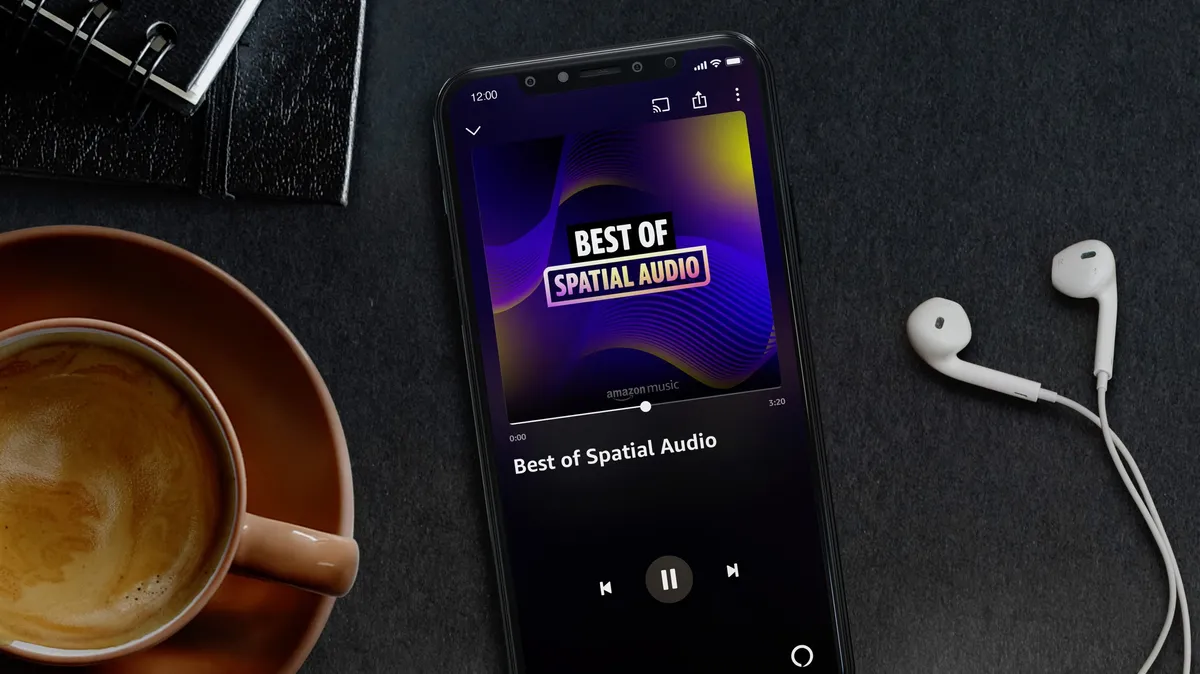


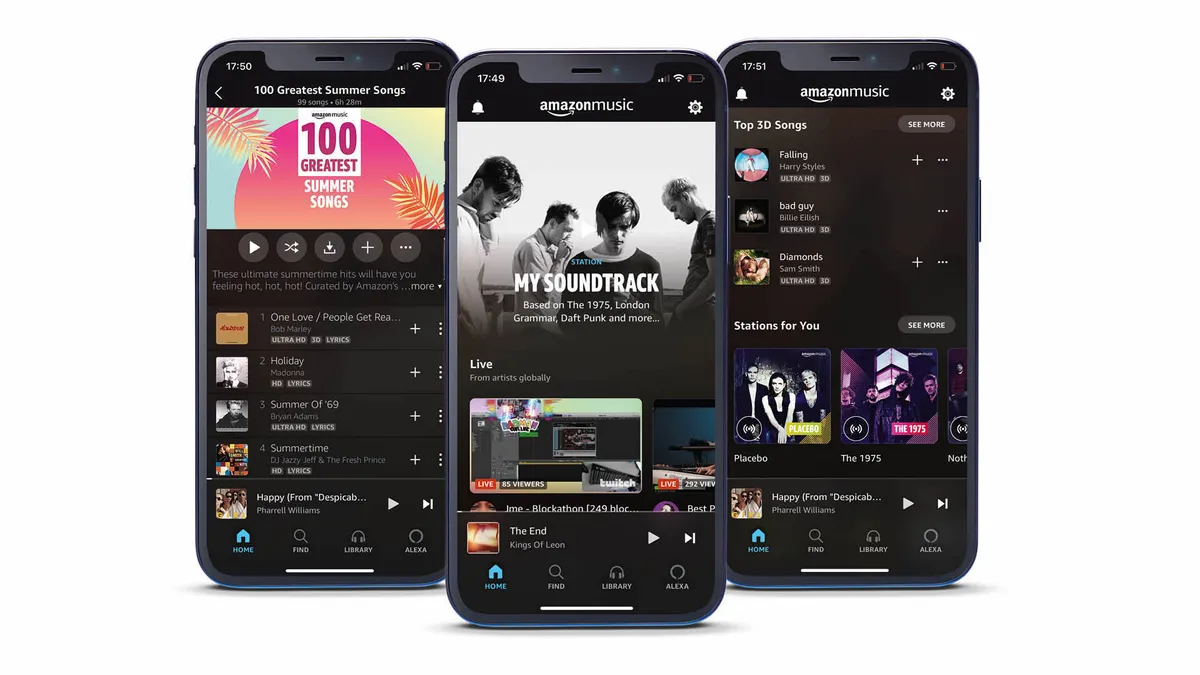
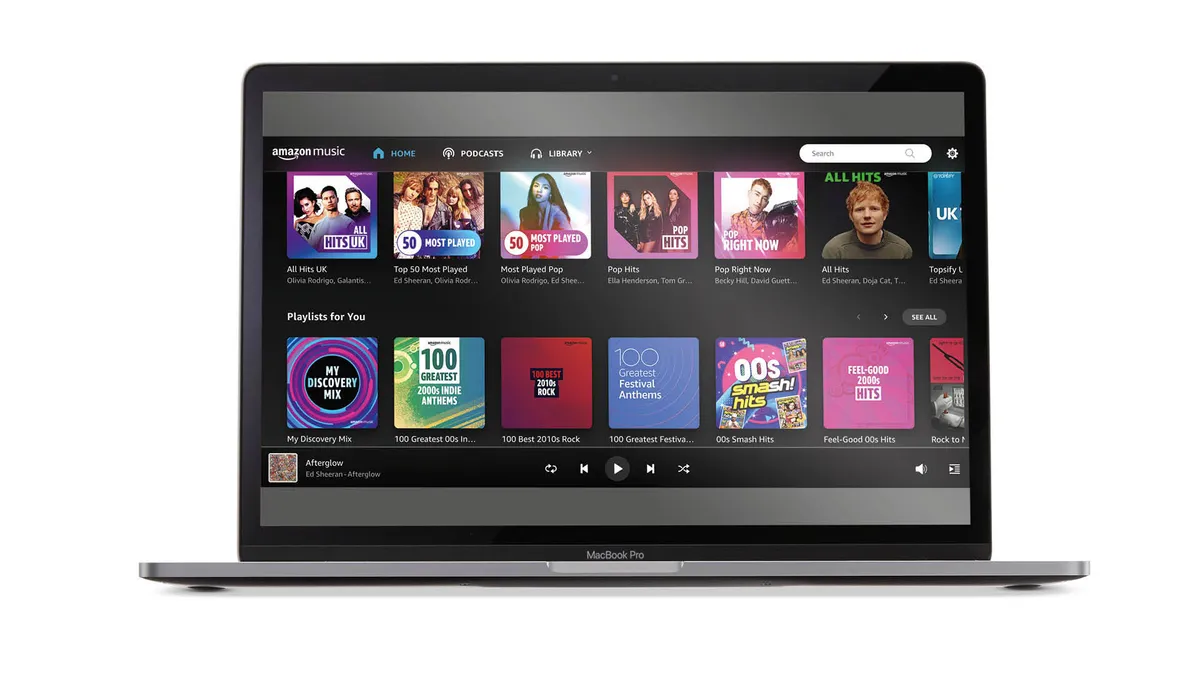


At £11.99 per month, Amazon Music Unlimited's pricing is competitive with our top picks for streaming services. And if you subscribe to Amazon Prime, this drops to £10.99. These prices rose in early 2025, but they remain competitive.
There's also a Single Device plan, which lets you use the service on a single Amazon Echo or Echo Dot wireless speaker for £5.99 / $5.99 / AU$6.99. There is a free version too, but it's pretty limited in what it gives you.
Once again, students get a discount of their own which drops the rate to £5.99 / $7.65 / $11.63. Lucky students.
Music Unlimited is compatible with smartphones and tablets via its Android and iOS apps, as well as PCs and Macs via its web player or desktop app. Fire tablets and TVs are compatible while some in-car systems and audio products (including Amazon Echo and Sonos speakers) also support the service.
The mobile app looks good on smartphones and tablets but isn’t quite as intuitive and reliable as those provided by Apple or Spotify. Those rival services also have the edge when it comes to music discovery and curated recommendations, although Amazon does provide plenty of suggestions and guidance, allowing you to browse the catalogue with minimal fuss to find new music.
Amazon has been coy about revealing its streaming bitrate for its standard tier, claiming to support “multiple bitrates”, but it sounds not dissimilar from Spotify’s approximately 320kbps streams. Listen to the two side-by-side and differences are barely audible: Amazon is "a touch better in terms of dynamic subtlety, and there’s a pleasantness to its rounder-sounding presentation," we said in our Amazon Music Unlimited review.
While it may be evasive about its standard tier, Amazon Music has gone all-in on hi-res and 3D formats and is not at all bashful about it.
The number of Ultra HD songs on the platform has tripled since the format was introduced in 2019 and unlimited subscription-holders also have access to a rapidly growing catalogue of songs mixed in Dolby Atmos and Sony's 360 Reality Audio, a boon that (according to Amazon) has grown by more than 20 times since spatial audio was originally introduced to its listeners.
Notably, Amazon Music Unlimited listeners can now stream music mixed in spatial audio on the Sonos Era 300, iOS, and Android devices with their existing headphones – no special equipment required – as well as on select devices that support Alexa Cast.
For Prime subscribers looking to take advantage of the reduced subscription cost and the added CD-quality and hi-res tiers provided by Amazon Music HD, Music Unlimited makes a lot of sense and is certainly a tempting alternative to more premium services.
Read the full Amazon Music Unlimited review
Best for video


The service rather underwhelmed us at launch, but YouTube Music is now starting to look like it’s ready for the challenge.
The user interface is solid, and the search function is terrific, turning up long-lost musical gems through its video vaults. The problem is that the competition's quality remains an issue: Spotify and Apple Music are the mass market titans to tackle, and both already offer superior services.
There are a few good reasons to choose YouTube Music, though. The free tier is easy to use and supported by ads but, for £11 / $11 / AU$12 per month, you can sign up to YouTube Music Premium, which is ad-free and allows downloads for offline listening too.
Students can get access to a discount that knocks the price down to around £5 / $5.50 / AU$6 a month.
The app is available through Sonos speakers and anything Google Assistant-powered, such as Google Home or third-party devices. As for sound quality, the 256kbps streams are far from unlistenable but they compress sound in a way that main rivals don't.
"Listening to Heart Shaped Box by Nirvana, YouTube Music is missing a level of detail. The grinding guitar solo doesn’t scrape through your nerve endings with the same harmonic detail as is does elsewhere – it's homogenised with other tones," we said in our YouTube Music review.
Still, if you like the USP here – music videos, rather than audio – and the fact that it includes stuff that won't be available on any other platform, YouTube Music has plenty to offer.
Read the full YouTube Music review
Best for audiophiles

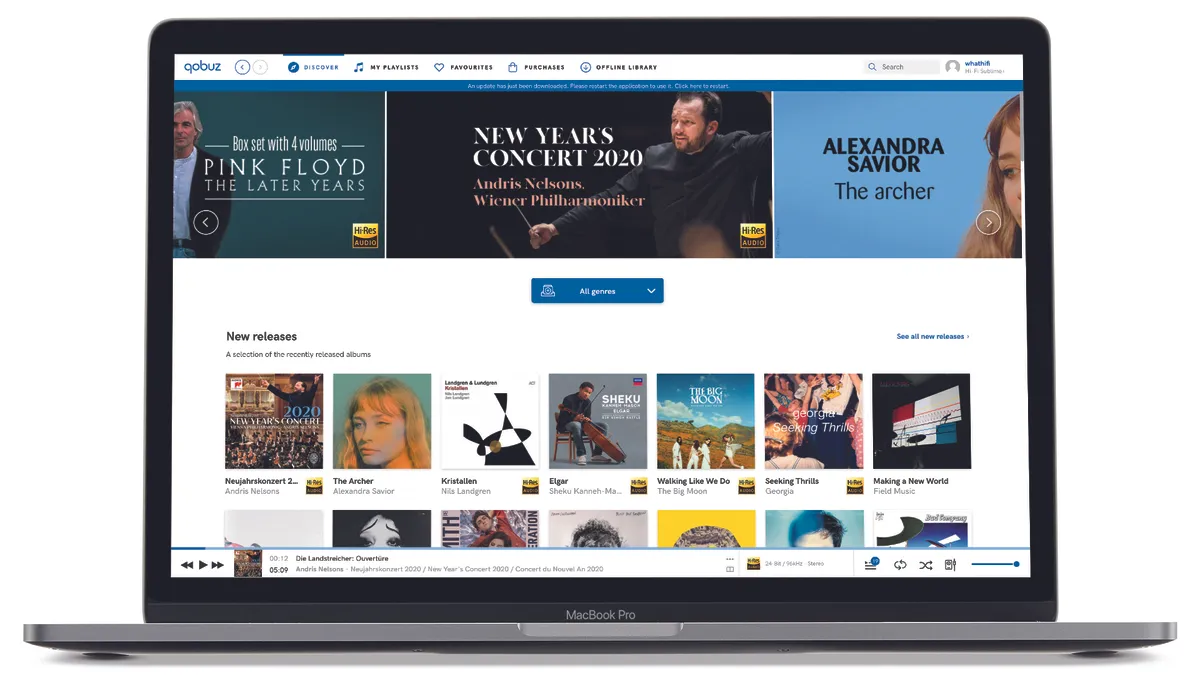


Hi-res streaming? Qobuz has been there from the start. Because while most other services have added hi-res as an extra, Qobuz has had it from the beginning. And some recent improvements – not to mention a price cut – have seen it bumped up from three stars to the full five, and made it worthy of inclusion on this list.
Qobuz's pricing is a now a lot more straightforward (previously, some tiers were only available if paid for annually), though it's still not the cheapest around. But if you're serious about sound quality, you will find it good value for money.
The music catalogue (over 100 million tracks) is now comparable to Spotify and Tidal, though it's worth noting that there are few extras to be found – unlike a service like Spotify, Qobuz has no podcasts or audiobooks, nor will you find tracks in Dolby Atmos or any music videos.
But the extras it does have will definitely appeal to serious music fans.
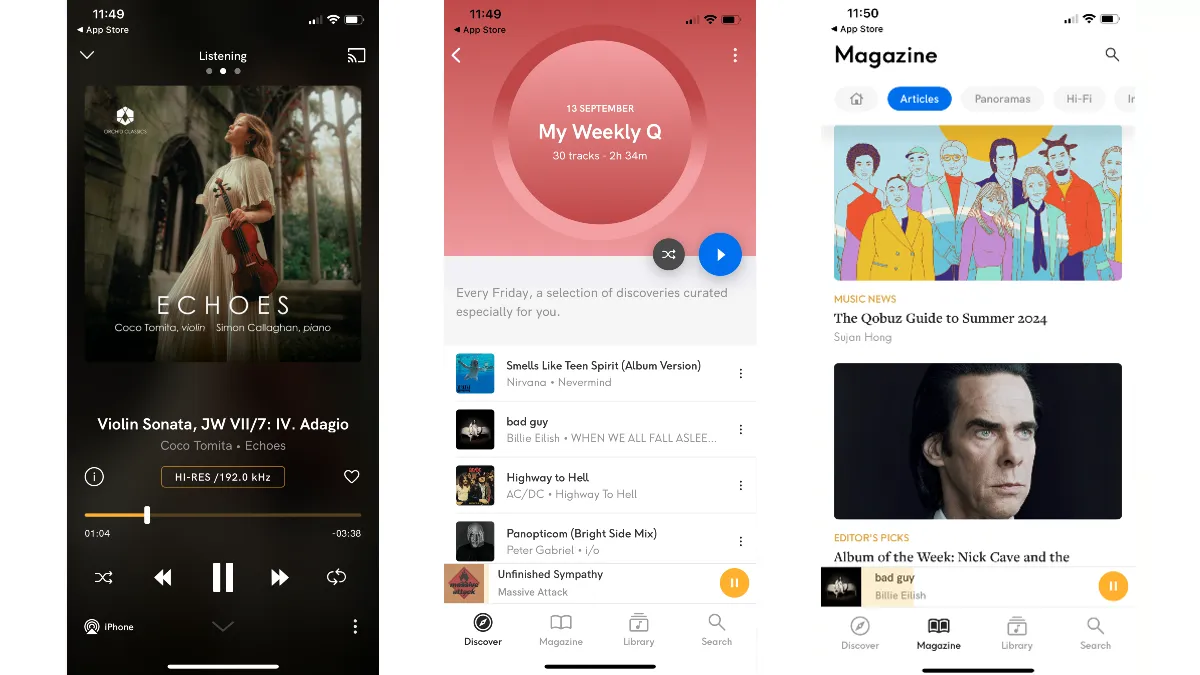
Like hi-res tracks you can purchase to download and actually own, like in the olden days. Doing so is seamless, though it's not available on the mobile app, which is a bit of a shame. And the Magazine section offers a range of editorial music features, interviews and reviews, and there are even some hi-fi kit reviews (though don't give up the day job, guys).
Qobuz comes built into a broad range of hardware from big brands, as well as Samsung TVs, and both Apple CarPlay and Android Auto. And it's currently the only streaming service to offer 24-bit/48kHz playback on Sonos.
The UI is easy to navigate and simple to customise, giving a truly bespoke experience. And the sound quality is very good indeed, with oodles of detail, a great sense of space and rich bass. It trumps Tidal's sound quality for some songs, but not others.
We said in our Qobuz review that "it feels like Qobuz has really pulled its socks up to be more consistent, and can now stand shoulder-to-shoulder with Tidal in the sound quality stakes. Their characters are different, but they are both a much improved listen over something like Spotify, which sounds rather flat by comparison."
Read the full Qobuz review
Also consider
Deezer: Deezer's core subscription package falls just short of the likes of Spotify when it comes to accessibility and presentation. But its Premium, Duo and Family plans all come with lossless at no extra cost.
Apple Music Classical: Born out of Apple’s acquisition of classical streaming service Primephonic in 2021, this app is free for Apple Music customers. It promises to demystify and standardise some of the most renowned classical works in history. Classical fans won't be better served elsewhere.
How to choose
When it comes to choosing the right music streaming service for you, there are a few key factors to consider.
Perhaps the most important thing to consider is the size of the catalogue on offer. If your favourite music isn't readily available then maybe it's not the service for you.
Of course, sound quality is of great importance. Most services now offer access to hi-res/lossless formats like FLAC, but not on their free tiers.
With any purchase, price is something you have to factor into your decision. Take a good look at the different subscription plans on offer from each streaming service while you consider the the catalogue and sound quality available. You might find a cheaper, more suitable option elsewhere.
Everyone has a preference when it comes to how software looks and feels, so it's also worth thinking about which app offers the most intuitive navigation for you. Many apps offer a free trial version, so this could be an ideal way to quickly get to grips with a service's layout and options and try before you buy.
How we test
How we test music streaming services
We have state-of-the-art testing facilities where our team of experienced, in-house reviewers test the majority of hi-fi and AV kit that passes through our door. Of course, music streaming services are software-based and used in different scenarios – in a hi-fi system via a streamer, and out and about using a phone, for instance.
When we test a music streaming service, we use it across these different scenarios and with different kit, from headphones to smart speakers and, of course, our reference hi-fi system.
We'll try out both the desktop and smartphone versions of the interface and, as What Hi-Fi? is all about comparative testing, we directly compare the service to others in its price and features class.
We are always impartial and do our best to make sure we're hearing content at its very best, so we'll try plenty of different styles of music with both advanced and standard audio formats. We'll check all the features, and allow for plenty of listening time before we begin reviewing.
All review verdicts are agreed upon by the team rather than an individual reviewer to eliminate any personal preference and to make sure we're being as thorough as possible, too. There's no input from PR companies or our sales team when it comes to the verdict, with What Hi-Fi? proud of having delivered honest, unbiased reviews for decades.
FAQ
Is Amazon Music Free with Prime?
In a word, yes. If you subscribe to Amazon Prime, you can access Amazon Music Prime for free. It's a stripped-down version of Amazon Music Unlimited, so while you do have ad-free access to Amazon's entire music catalogue, it's only available in SD quality, not CD or high-res.
And you can only play via shuffling artists, albums, or playlists.
Want higher quality or more specific control over playback? You'll need to pay the extra for Amazon Music Unlimited.
Why is Spotify so popular?
Spotify is the longest-running music streaming service out there so it has a run on its rivals, which means a lot of its early adopters find it difficult to leave.
It has a fine track record of launching new software developments that keep moving the streaming game on (even if its Lossless service took years to arrive). It's also one of the streaming services to offer a free music app alongside its premium service.
Spotify Connect also exists in its armoury, which sees the service baked into compatible speakers, TVs, and a range of hi-fi and AV products, which just adds to the appeal.
However, rivals have since overtaken it in terms of sound quality and innovation, yet the paid Spotify tier remains more expensive than a lot of them. That's why we recently docked it a star when we updated our Spotify review. Not even the addition of lossless was enough to earn it back.
What has better sound quality over Spotify?
If you're looking for sound quality better than Spotify, you don't have far to look – both Apple Music and Tidal offer a step up, as does Qobuz.
Apple Music in particular offers not only better standard-quality streams than Spotify it also offers higher-quality hi-res streams too.
Recent updates
6th May 2026: Updated the intro. Updated Tidal's Australian pricing. Added a gallery for the Spotify entry in the main list.
2nd February 2026: Added tabletop widget. Rewrote intro to link to our anti-Spotify feature. Updated Spotify's pricing following the recent price rise and updated references to the year to 2026 throughout.
19th December 2025: Rewrote intro. Added detail on the updated Spotify review encompassing the Lossless feature.
30th September 2025: Added 'In brief' section at the start.
11th September 2025: Added lots of mentions of Spotify Lossless. Rewrote the intro and Spotify entry.
24th June 2025: Added streaming stats to the intro. Updated pricing for Amazon Music to include the recent price increase.
2nd April 2025: Ensured all images included suitable alt text and checked each entry for accuracy.
17th January 2025: Rewrote intro. Added a review quote for each relevant service to each entry. Added links to subscribe to each service.
27th September 2024: Added Qobuz as a main entry, and Apple Music Classical as an 'Also consider'. Rewrote intro.
3rd September 2024: Rewrote intro. Updated pricing and plans for Tidal entry. Deleted 'Scores in depth' tables. Replaced images with galleries for each entry.
17th June 2024: Rewrote intro. Updated prices. Added new alt-texts. Removed mention of the discontinued Apple Music Voice Plan.
21st March 2024: Added 'how to choose' section, 'also consider' section, and product galleries
MORE:
Best music streamers: upgrade to a wireless system
Prefer to own your music? Here are the top hi-res audio download sites and a guide on how to build your own digital music library
High-resolution audio: everything you know
Want a more in-depth guide? Here are the top hi-res music streaming services compared to help you decide
Down with Spotify! These 6 independent music streaming services want a better experience for musicians and listeners alike

