
A dedicated room for lengthy listening sessions sounds like bliss, but for most of us, it's a distant dream. But here's the next best thing: the best multi-room wireless systems for listening in every room of the home.
They might not match a wired system for sound quality, but they do have a lot going for them. Because the speakers are wireless, they're much more versatile in terms of where they can be placed. So not only can they fit around your room layout, they can also be spread around the room and even the home, filling the entire place with music, playlists, podcasts, radio, and any other kind of audio content.
Thanks to the huge range of speakers available, they can also serve double duties – when not playing music, they can act as home cinema speakers, for example.
You don't have to buy an entire system all at once, but rather can add to it over months or even years, letting you spread the cost out. And with a huge range of sources playable through multi-room – like streaming services, local drives and even vinyl – you won't be short of listening material.
Wondering which multi-room system is right for you? You've come to the right place.
Each of the systems below has earned a glowing review from us. We've been reviewing audio gear of all stripes for nearly 50 years, so we know a thing or two about sound quality. We test each against its closest price rivals to see how it stacks up, with review verdicts agreed on as a team rather than one individual reviewer.
For more on our reviews process, see the how we test multi-room systems section lower down this page.
April 2026: We've added Bluesound and WiiM as new entries to the main list.

At the start of the 21st century, I was working at T3 magazine when the original Sonos system arrived for testing. I still remember the giddy thrill of playing music all over the office as we passed around the Sonos Controller (complete with iPod-style click wheel). Multi-room audio has come a long way since then – now you're spoilt for choice when shopping for a system, and there's nary a click wheel in sight.
The best multi-room systems we recommend in 2026
Why you can trust What Hi-Fi? Our expert team reviews products in dedicated test rooms, to help you make the best choice for your budget. Find out more about how we test.
Best for hi-res


If you want a multi-room system that's eminently capable, full of features and competitively priced, Bluesound should definitely be on your list. The Node Icon earned a What Hi-Fi? Award for its trouble last year, while the standard Node (2024) and Node Nano are both solid four-star products.
As well as the streamers, the range now includes two Dolby Atmos soundbars: the Pulse Cinema and Pulse Cinema Mini.
The BluOS platform works with over 20 streaming services (including all the major 'Connect' variants) and supports hi-res audio up to 24-bit/192kHz. It's also compatible with a huge array of file formats.
Dirac Live room calibration software recently came to the range, allowing you to adjust the audio to match the layout of the room in which the device is placed. Dirac Live also creates a cleaner, tauter sound by reducing phase issues experienced between speaker drive units. However, you will need to buy a room calibration kit and Dirac Live licence to use the feature.
Downsides? Only models from 2024 onwards support DSD files (by converting them to PCM), and Chromecast support is conspicuous by its absence.
But the Node Icon recently became the first to use MQA Labs’ Qrono digital-to-analogue technology, following parent company Lenbrook’s acquisition of MQA Ltd. Qrono refines the DAC's timing response to align better with the original recording.
The BluOS mobile app is intuitive to get around, and it contains plenty of settings to play with, like gain, mono/stereo playback modes and tone control. And BluOS is more open than Sonos' walled garden approach, so you can wirelessly pair other BluOS-compatible devices like the Award-winning Cyrus 40 ST, Award-winning NAD C 3050 (with MDC2 BluOS-D module), Roksan Attessa streaming amplifier, Dali Oberon C speakers (when coupled with the Sound Hub) and PSB Alpha iQ speakers.
All of which make it the best hi-res multi-room system you can buy.
Read our full Bluesound Node Icon review
Best for variety


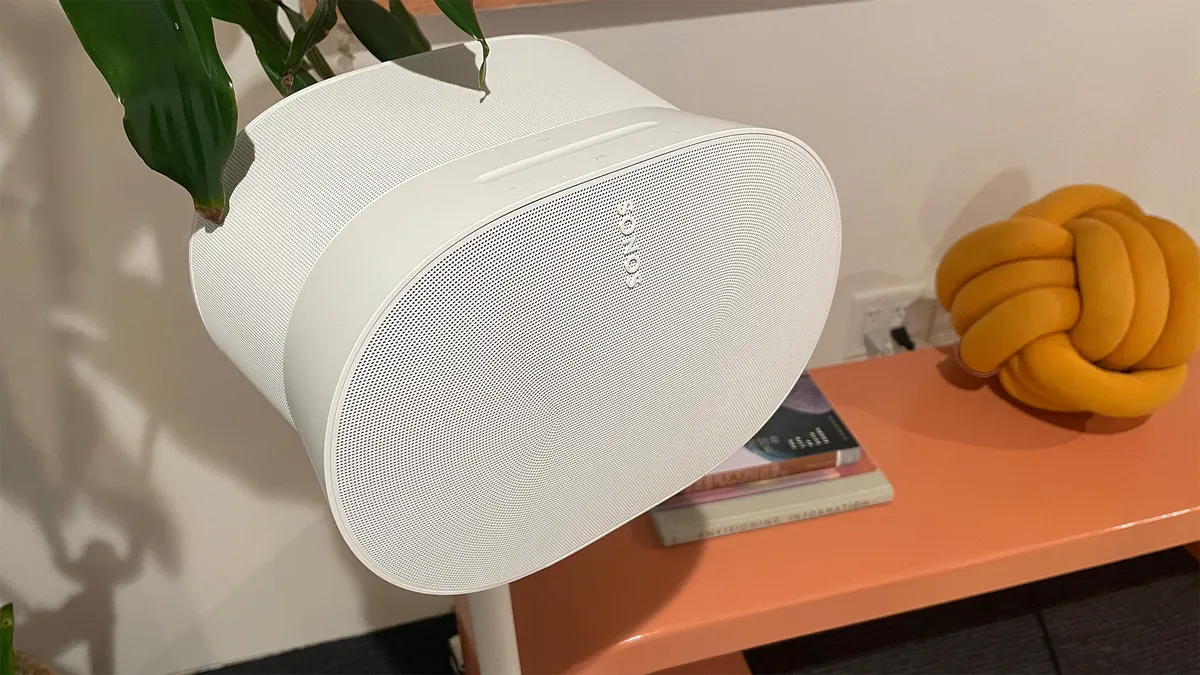
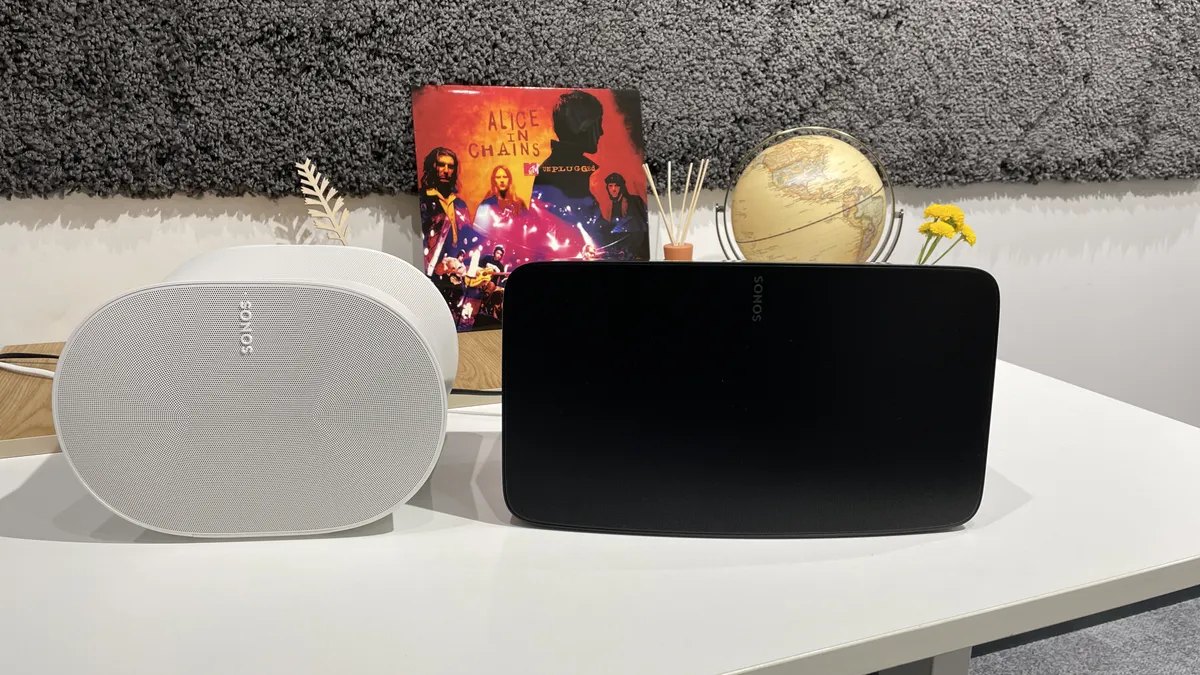

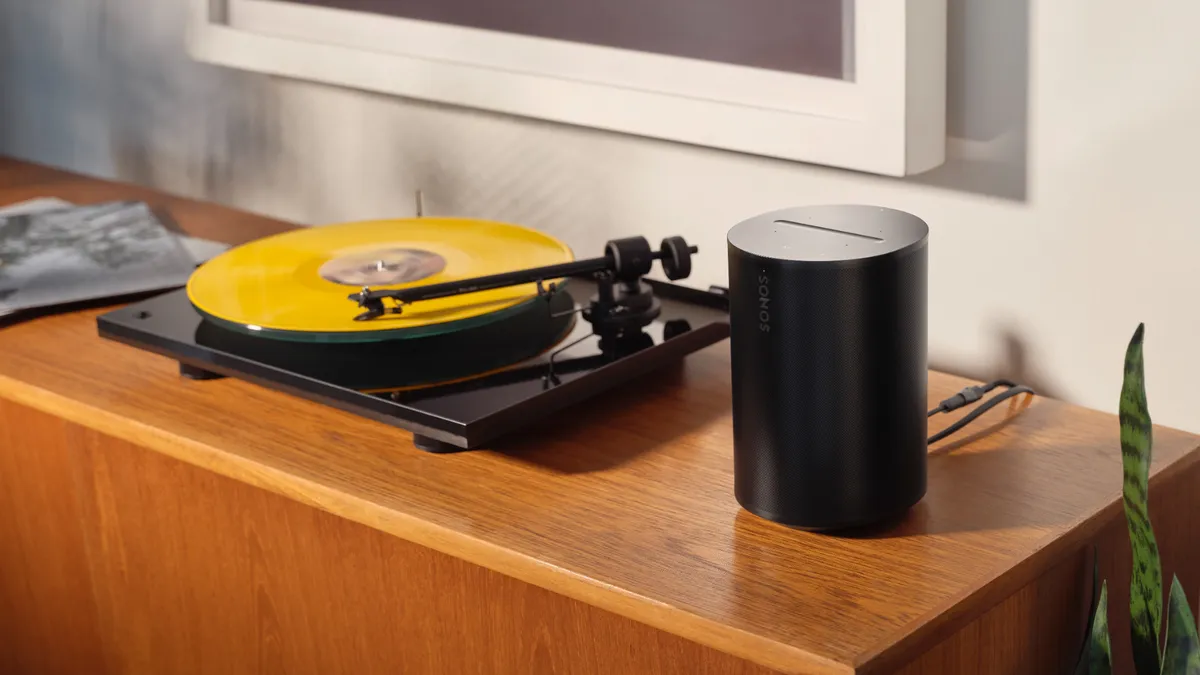


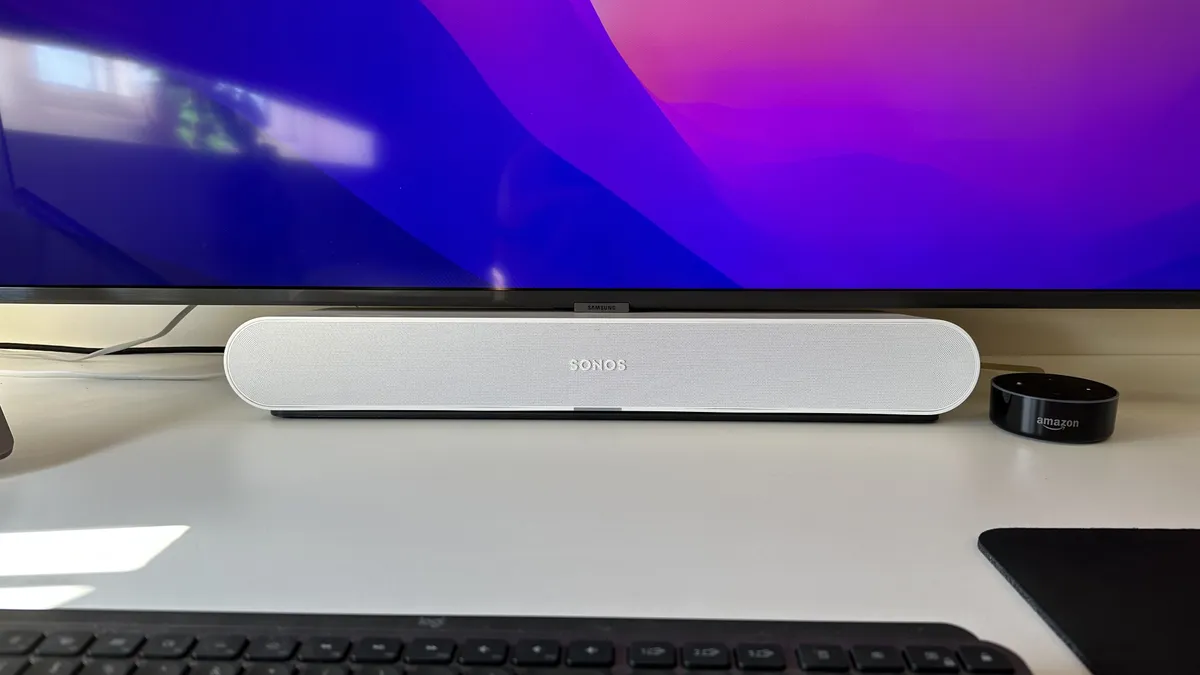
It’s facing more competition than ever, but few multi-room offerings are as complete or as pleasurable to live with as Sonos.
Sonos as a system has two big advantages: breadth of choice and simplicity of use.
In the time its rivals have been playing catch-up, Sonos has launched a whole family of products – including most recently the Play portable model, and Award-winning Arc Ultra soundbar – got onside with a long list of streaming services (including Apple Music Spatial Audio), and added lossless audio support, not to mention nailing the usability aspect of multi-room.
But it's not all been plain sailing. Its first wireless headphones only scored three stars, which was a massive disappointment after years of waiting. And its CEO resigned following the disastrous app relaunch that broke some features and outright removed others.
Sonos also lost out in the wireless speaker category of the last two What Hi-Fi? Awards, though the Beam (Gen 2) and Arc Ultra did triumph in the soundbar category.
Still, Sonos remains one of the best multi-room options, combining a broad range of accomplished products with the most substantial selection of streaming services and the most pleasant and complete user experience around.
For those dipping a toe into wireless waters, we would always recommend giving Sonos a look. You just might have to save up if you want a speaker in each room, as they're not cheap – the Arc Ultra soundbar alone costs £999 / $999 / AU$1799, though it has seen sizeable discounts previously.
Read the full Sonos multi-room system review
Best for value


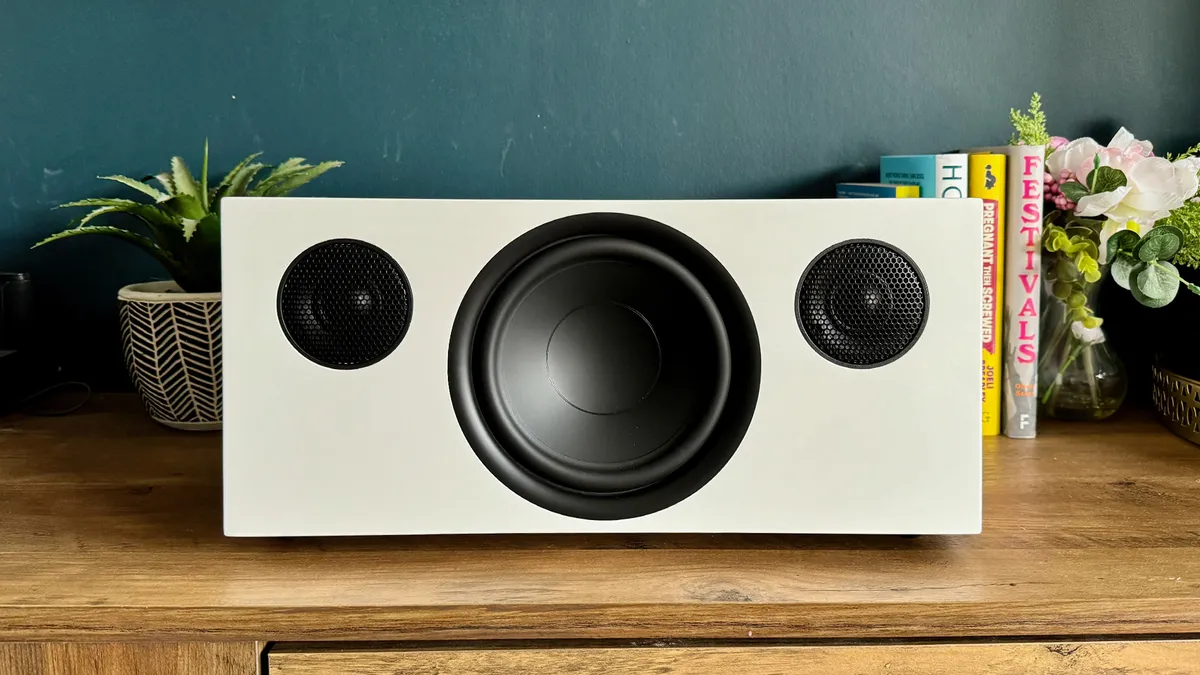


The Audio Pro range might be a bit limited compared to some multi-room rivals, and the app is a little lacking, but for sound quality at the price, it's the best around.
And the company continues to grow the family: recent additions include the Addon C10 Mk11, C20 and Award-winning C20 W.
The affordable, puck-like Link 1 hub turns your hi-fi and other Addon speakers into a simple multi-room system, while the larger Audio Pro offerings tend to deliver great sound and are easy to use. Their musicality is unmatched by anything at this price level.
In fact, the Drumfire outperformed the first-gen Naim Mu-so, despite only costing half as much.
Audio Pro's speakers might divide opinion aesthetically (Sonos' are more crowd-pleasers in terms of looks), but there's no denying their sound and build quality. Consider that filling your house with them is a lot more affordable than rival systems, and you'll soon get over any reservations you might have about their looks.
Read the full Audio Pro multi-room system review
Best for iOS
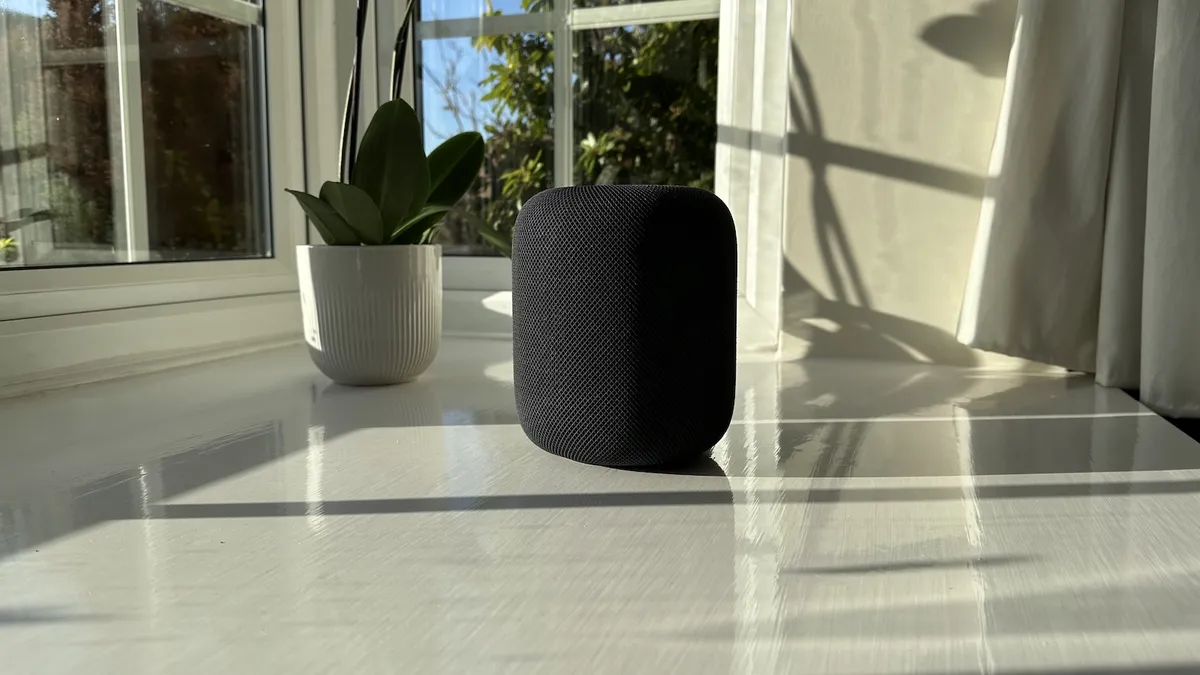
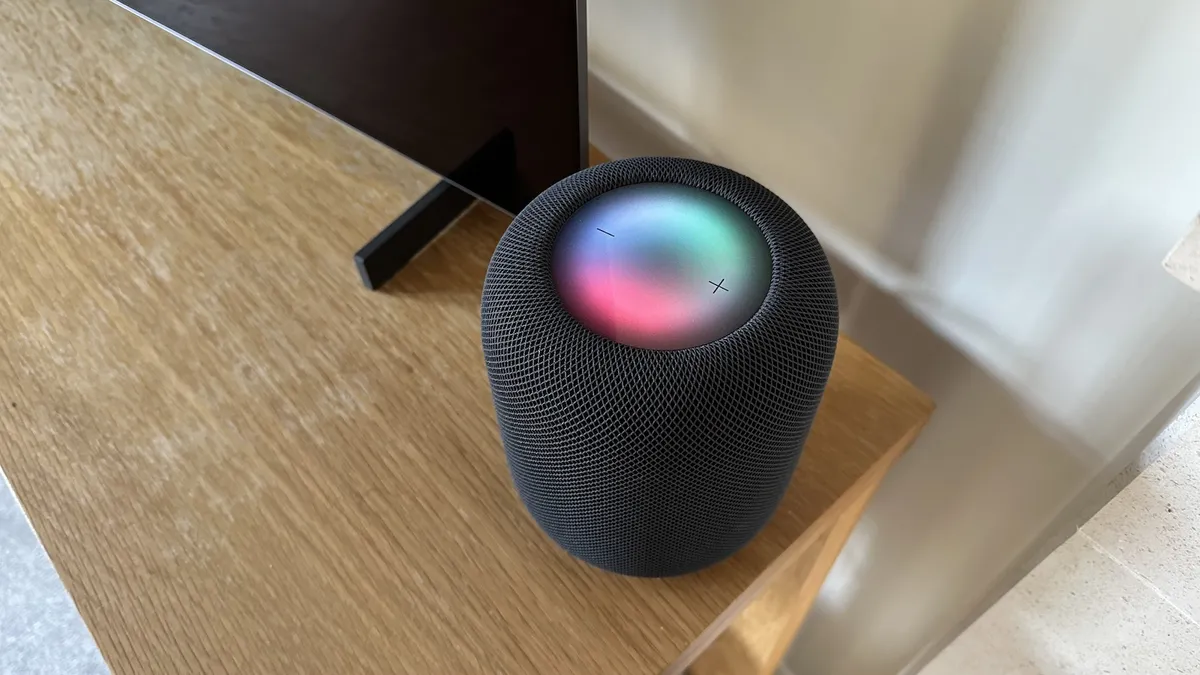

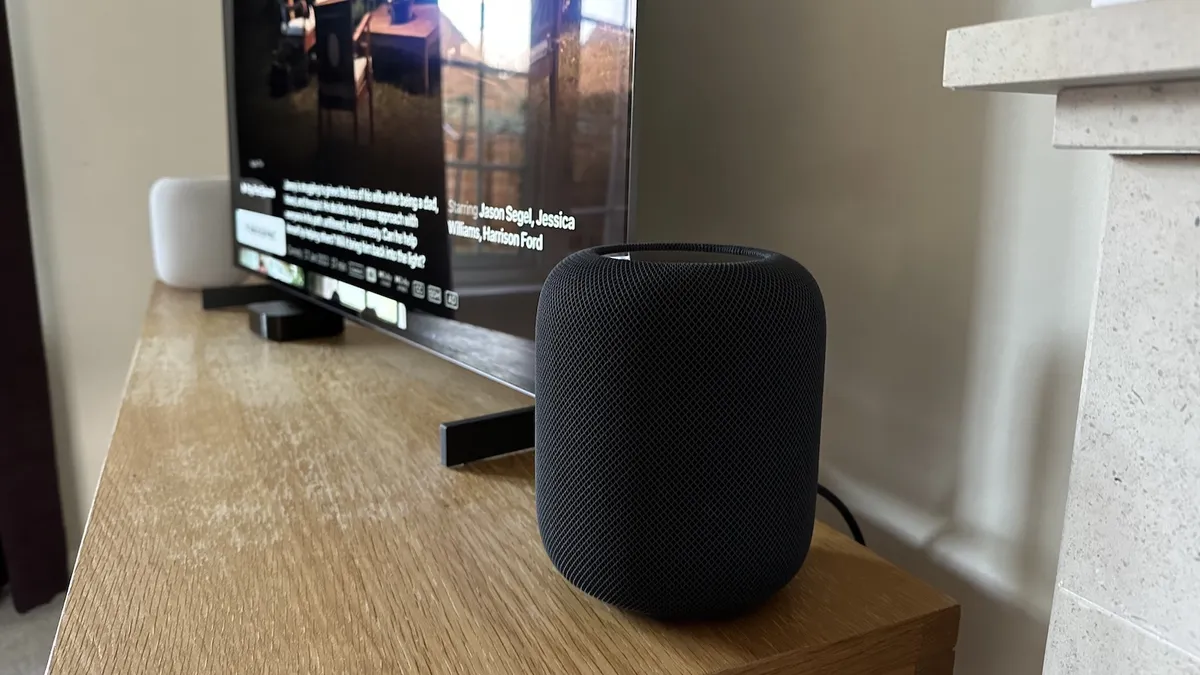



The Award-winning HomePod 2 is the pricier option in Apple’s current lineup, sitting well above the HomePod Mini. You can link multiple HomePods (both full-size and Minis) to create a multi-room system, and they work as home cinema speakers when connected to the Apple TV 4K.
The HomePod 2 is a leap sonically from the original 2018 HomePod.
Our tests revealed it to be one of the best sounding smart speakers you’ll find, blowing its closest rival, the Amazon Echo Studio, out of the water and offering a much more precise low end than the first generation HomePod.
The audio also doesn't succumb to sibilance like a lot of speakers at this price. It has bags of energy too, playing tunes with infectious enthusiasm. And the bass is very good indeed – as we noted in our review, it "demonstrates the sort of low-frequency flexibility that the average wireless speaker can only dream of."
Classically Apple, it's a cinch to set up.
When it's paired with an iPhone all you have to do is scan for the speaker and run through a few on-screen commands to get it fully integrated with your smart home setup. It even adjusts its sound in real time to adapt to its surroundings.
But its biggest strength is also its greatest weakness: it's an Apple product, for Apple people. If you're not in Apple's ecosystem, you won't get anywhere near the best out of the HomePod 2.
Its primary connection is locked to Apple’s AirPlay 2 tech, Apple Music is the only music streaming service natively supported and Siri is your only option for voice commands.
This will limit its appeal to those who aren’t Apple diehards. They might prefer more platform-agnostic options like Sonos, or another alternative from this list.
A HomePod with a screen has been rumoured for a while, which would bolster Apple's multi-room efforts considerably. Stay tuned for updates.
Read the full Apple HomePod 2 review
Best newcomer


WiiM is a relative newcomer to the multi-room game, but in its short time it's already made a huge impact. The WiiM Pro Plus' potent combination of detailed sound and simple setup earned it a What Hi-Fi? Award in 2025, while the Amp Pro proved fantastic value as a just-add-speakers system. And the firm recently launched a HomePod-rivalling WiiM Sound smart speaker and a cut-price WiiM Sound Lite to compete with Amazon's Echo speakers.
So it has a wide range of devices for all budgets, and the quality is generally very good (though some WiiM products only scored three stars in our reviews). You would be advised to read up on specific products before buying though, as the sound quality varies by device, as do the selection of ports and technologies on offer (AirPlay is missing from the latest devices, for example).
Its devices are generally compact and minimalist – they're often little more than little black boxes (though the Amp Ultra is a cut above). The plastic casing can make some models feel a little cheap, but don't let that fool you, as these devices are very capable indeed.
Like the other systems here, WiiM's supports a vast array of file formats and streaming services, and the WiiM Home mobile app is responsive and simple to use (that's especially impressive given the low price of some WiiM devices). There's a reason that certain Audio Pro speakers use a similar app by WiiM's parent company LinkPlay.
WiiM's devices also support hi-res up to 24-bit/192kHz.
It's a very likeable system that serves as the upstart of the multi-room multiverse. We're expecting more big things to come...
Read our full WiiM Amp Ultra review
Also consider
The best multi-room system alternatives we've tested:
Amazon Echo / Echo Dot: If you have multiple Amazon Echo speakers – or have products with the Works With Amazon logo – you can combine them together for a multi-room system. Amazon's Echo/Echo Dot smart speakers alone are a cheap and easy way to achieve the multi-room effect on a budget. Just avoid the Echo Dot Max, which only earned a two-star review.
How to choose the best multi-room system for you
You don't have to buy a complete multi-room system all at once, you can start with one or two speakers and add to it bit by bit, or room by room. That way you can dip your toe into the multi-room waters to find out if you like your chosen system. And it helps spread the cost out over months or even years.
Most systems are now compatible with voice assistants such as Siri, Google Assistant and Amazon's Alexa, or you can control them via a mobile app. You can opt to listen to the same song in every room, or a different tune in each, ensuring a harmonious home in more ways than one.
There's a vast choice of multi-room speakers and systems on the market, but which is best?
Sonos is the most recognisable brand, and with good reason: it's intuitive and sounds fantastic. But there are plenty of rivals, too, all serving tempting features such as support for hi-res audio files or your favourite streaming service, Bluetooth connectivity and more. Which is best for you will depend on your needs and budget.
How we test multi-room systems
At What Hi-Fi? we comprehensively review every product we recommend, from soundbars to speakers, headphones and TVs. And it's no different for multi-room systems.
We pit each against its closest rivals for features and price. Almost all the testing is carried out by our team of expert reviewers at our dedicated test rooms, but for multi-room we'll take the systems home and live with them in our own homes as if we had bought them (sadly, we do have to give them back at the end of the process).
That's the best way to see how they fare in day-to-day use.
Multi-room speaker systems are tested for sound quality, features, ease of set-up and use, and overall performance. And we test multiple products in each family, usually at least two wireless speakers and a soundbar but this will vary depending on each system's product line-up.
There's no input from PR or sales people, and all review verdicts are agreed on as a team instead of one person making or breaking a product. Not only does that eliminate bias, it also pools our shared knowledge while also making sure we haven't missed anything.
We've been reviewing audio products for nearly 50 years now (with over 100 years of combined experience), and we're proud of our reputation as the home of honest, unbiased reviews.
To really dig into what our reviews process entails, see our how we test page.
MORE:
Check out the best multi-room speakers
Hi-res and lossless music services compared
Our pick of the best cheap speaker deals
F.A.Q.
Is multi-room audio worth it?
Yes. It allows you to listen to music throughout your home, so either the same track can follow you from room to room, or you can play a different one in each room to set different moods.
How much does a whole house sound system cost?
It depends on which brand you go for, how many speakers you want in each room and how many rooms you have. Multi-room speakers start from about £100 / $100 / AU$200, and can cost into four figures.
Which sound system is best?
Sonos has remained one of the most popular in the 20-odd years since it launched, and with good cause: it's simple to use, the app is a breeze and the speakers sound very good.
Its range now includes soundbars, subwoofers, spatial audio speakers, portable models with Bluetooth and more. But other systems trump it for sound quality and price. And its recent woes around the app relaunch may have turned some customers off.
Recent updates
- 10th April 2026: Added Bluesound as 'Best for hi-res' and WiiM as 'Best newcomer'. Changed Sonos from 'Best overall' to 'Best for variety'.
- 19th December 2025: Rewrote intro. Updated Awards references throughout to refer to 2025 Awards.
- 19th August 2025: General copy edits throughout.
- 10th April 2025: Replaced Denon HEOS entry with Apple HomePod 2, as the Denon products are being phased out.
- 20th January 2025: Rewrote intro. Removed duplicate headings from body copy of each entry in 'The Quick List'. Added in recent news about leadership changes at Sonos.
- 30th July 2024: Rewrote intro. Removed Jump Menu and 'Test results' tables. Bolded advisory text in 'How to choose' section.
- 14th May 2024: Converted to new Best Buy format. Removed Bluesound Generation 2i from main list. Added 'Also consider', 'F.A.Q.' and 'Recent updates' sections.
- 9th June 2023: Added new images. Mentioned newer Bluesound products within the Bluesound Generation 2i entry.
- 3rd April 2023: Added mention of Sonos Era 300 and Era 100 speakers.
Today's best multi-room system deals

