1986 was one heck of a year. The very first The Legend of Zelda video game was released on Nintendo; the UK's Q music magazine launched; Alex Ferguson began his long and successful tenure as Manchester United's manager; and Aliens, Top Gun and Labyrinth (with David Bowie's magnificent Jareth the Goblin King) all hit the cinemas and became forever embedded in our cultural consciousness.
On the music side, Berlin took our breath away while Lionel Richie insisted that love will conquer all, Metallica unleashed Master of Puppets to the delight of shred-heads everywhere, while musical legends Prince, Janet Jackson and Whitney Houston rubbed shoulders with one-hit wonders from Peter Cetera (Glory of Love), Cutting Crew (I Just Died In Your Arms) and the Madonna-sampling Europop ray of sunshine that was Holiday Rap by MC Miker G and DJ Sven.
All these songs are – gulp! – celebrating their 40th birthday this year, and the What Hi-Fi? team have been in full nostalgia mode, picking our favourite songs from this packed year and reminiscing about their musical, cultural and emotional merits below.
We suspect many of our readers have their own favourites from this year, too, and we imagine many of you also played them on classic 1980s hi-fi kit – such as the popular Mission 70 MkII/Cyrus One pairing, the first Wharfedale Diamond 1 speakers, Naim's high-end 32 pre/250 power amplifiers, the Nakamichi Dragon cassette deck, and let's not forget the first-ever CD players – so leave us a comment to share your memories!
Word Up! by Cameo
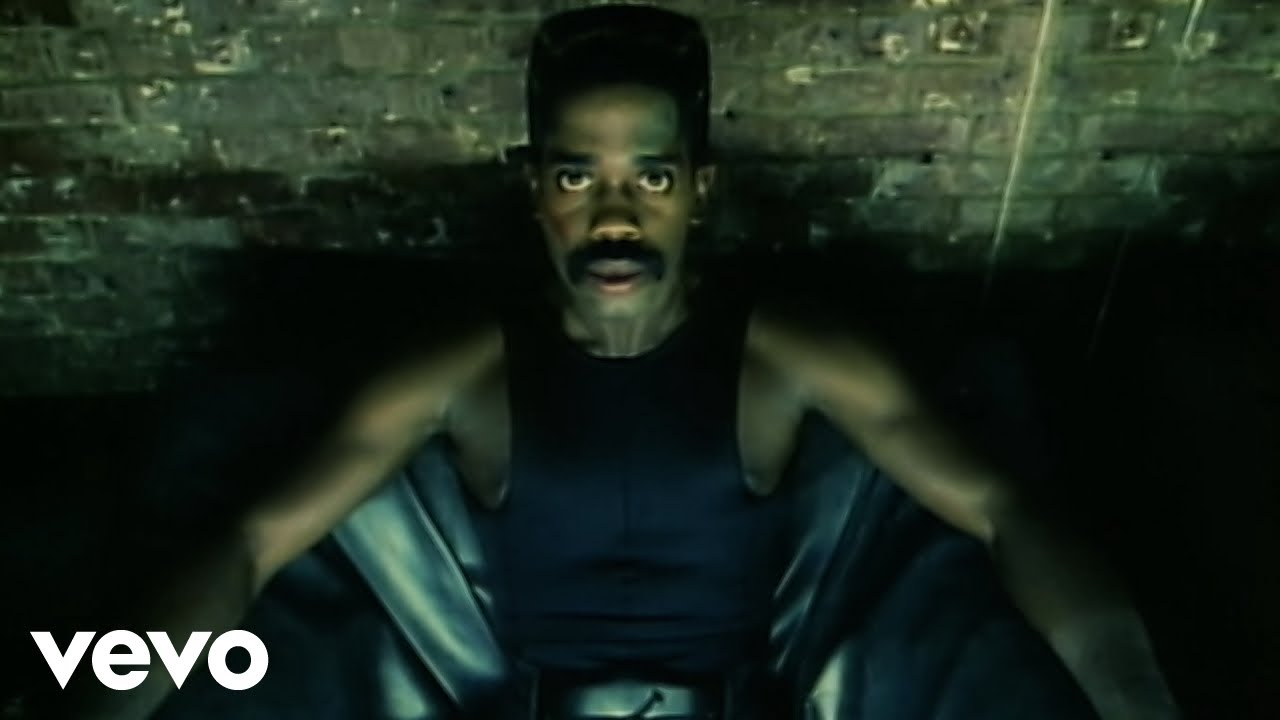
Sit back and listen through a well-balanced system, and there's a lot to unpack from the New York funk band's 1986 synth-funk-rock hit. They clearly had as much fun producing this as we've had dancing to it since, starting with a toy-box of percussive trills and clicks over a minimalist, dry snare crack produced by a Linn 9000 drum machine.
There's layers and layers of synth sounds over that too, including a 'whistled' Morricone motif, some well-integrated horn parts, a thunderously deep drum fill dramatically exploding out of the backing track, some typically ’80s gated backing vocals, and "sucker DJ" calls that sound like Marines "oorah"-ing. And the glue that keeps it rocking is that grooving, sparing slap bassline that digs deep and provides the real meat of the track. Larry Blackmon's distinctive, nasally vocal delivery and phrasing, meanwhile, give the track its real swagger.
Blackmon – he of the skyscraping flat-top and ludicrous cod-piece – later said of Cameo's finest moment, "You can play Word Up! any place anywhere, and someone is going to be grooving and bobbing their head." And 40 years later, that's certainly what's happening at What Hi-Fi? Towers right now.
Words by Chris Burke
Sledgehammer by Peter Gabriel
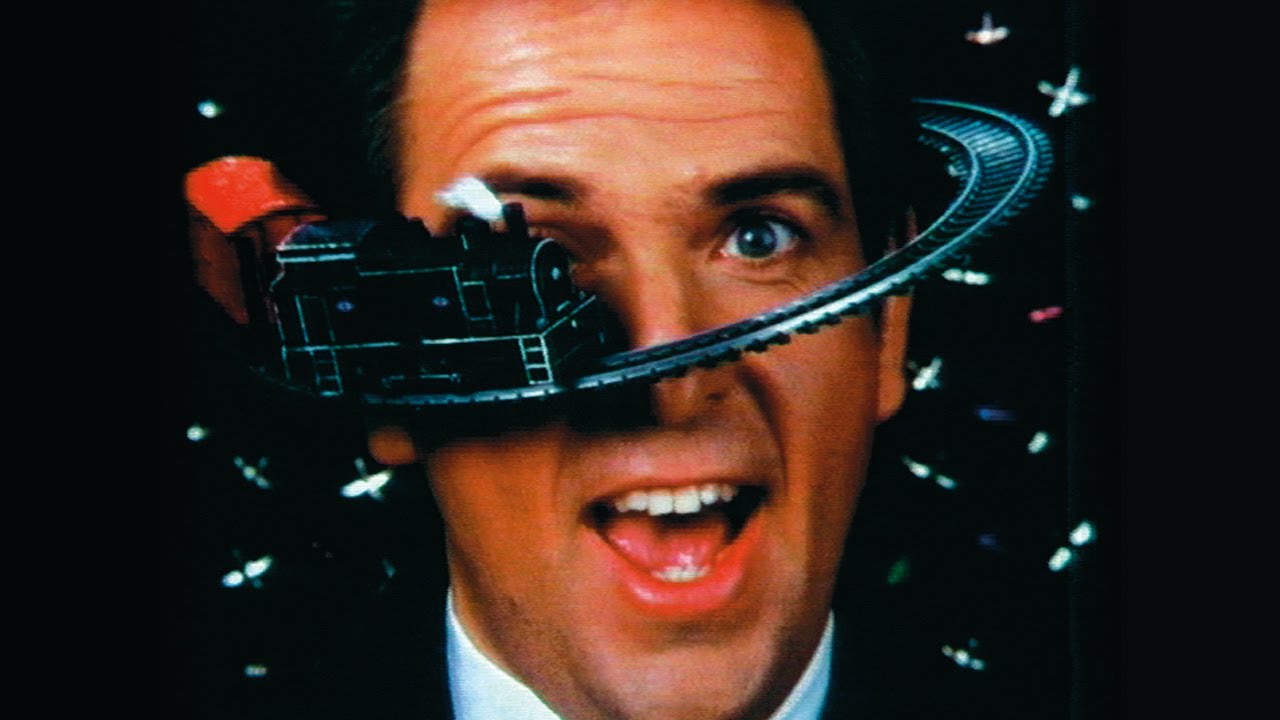
Peter Gabriel is an artist with a pretty diverse portfolio full of incredible tracks. But, if you were to ask most people to name, or recognise, one off the cuff, I’d bet my bottom dollar Sledgehammer would be the most common answer you got – and for good reason.
It’s the lead single from his fifth solo album, So, which remains a staple favourite within many prog and hi-fi enthusiasts' collections. Though it’s now an iconic song, at the time it was a surprise and radical departure from Gabriel’s prog roots.
Strongly influenced by soul music, it’s a complex track that intermingles Gabriel’s forceful, almost exuberant vocals with a booming horn section and an atypical fretless bass part played with an octave pedal.
The result is a rhythmically addictive song that stands up as a stellar listen, even now, 40 years on. In fact, the only downside is that this year, while writing the entry for this list, I was informed it’s actually about sex, and sledgehammer is code for exactly what you think it is – as are Gabriel’s constant references to a train, bumper cars, and the Big Dipper.
That puts a slightly disturbing twist on the fond memories I have of dancing along to it with my grandma as a young lad (it was one of her favourite songs). This is why we can’t have nice things…
By Alastair Stevenson
The Way It Is by Bruce Hornsby
The unforgettable hook of this classic track has been sampled many times, notably by Tupac for Changes, but with the passing of time the power of the original goes from strength to strength.
Hornsby wrote the track in his garage and somewhat unbelievably he improvised the emotive solos played around the main piano riff. It was this prodigious talent, and this song, that led to his first record deal in 1985.
A year later, BBC Radio 1 is credited with breaking this track, and it went on to become a worldwide hit, reaching no.1 in his native United States.
The lyrics tackle poverty, racism and social division, striking a melancholy tone while simultaneously imploring the listener to push back against the system: “Some things will never change, That's just the way it is, ha, but don't you believe them.”
And the music marries the mood of the lyrics perfectly, the piano solos delivering the uplifting, hopeful antidote to the more sombre chords of the main groove.
Your system should be successfully channelling those emotions, including in Hornsby’s voice, and otherwise delivering a faithful reproduction of those beautifully jazzy piano keys.
Words by Joe Cox
Happy Hour by The Housemartins
When Hull-based indie rock group The Housemartins released Happy Hour back in 1986, I would imagine its upbeat instrumentation felt somewhat at odds with the economic backdrop of the period, where unemployment had skyrocketed to more than 11%. If you just listen to its catchy guitar hooks, it’s impossible not to bop along as you forget about such turmoil – something that may come in handy if you spend too much time concerning yourself with the current state of the UK!
Paul Heaton’s sobering vocals give the song a fascinating juxtaposition, however, and straight out the bat too, as demonstrated by the opening lines: “It's happy hour again, I think I might be happy if I wasn't out with them.” In a 2018 interview with The Guardian, Heaton said “I don’t know if many people realised that the song was about feeling miserable in a happy hour, or that the lyrics make loose statements about women being harassed.” So, the mood is totally different depending on which aspect you listen to.
In the same interview, guitarist Stan Cullimore said he used the same chords for the verse and chorus as he was desperate to grab a custard slice from the local cake shop, which meant Happy Hour took around 10 minutes to write – not bad for a hit that went on to reach number three in the UK singles chart!
Words by James Cook
Livin’ on a Prayer by Bon Jovi
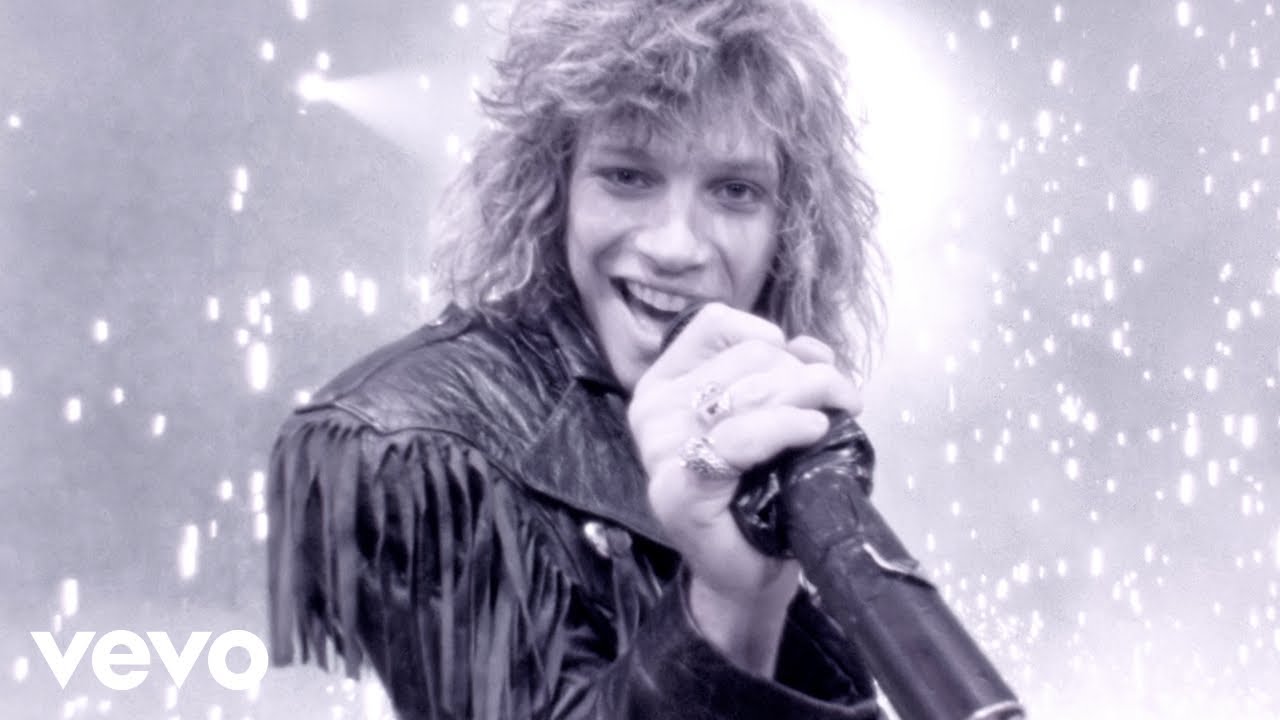
Bon Jovi’s iconic song, Livin’ On A Prayer, is not just one of the pop-rock superband’s best-known tracks; it’s one of the most famous ballads in the world, period. To date, Tommy and Gina’s down-on-their-luck tale has been listened to over two billion times on Spotify alone (as of August 2025).
But it’s also the one Jon Bon Jovi was least fond of when recording Slippery When Wet, in 1986 – so much so that in the band’s stellar biography, Thank You, Goodnight: The Bon Jovi Story, he admits it very nearly didn’t get released. In fact, it apparently took efforts from his bandmates and producer Desmond Child to convince him to even bother finishing it.
Clearly proven wrong, the track remains as much of a banger as it was the day it was released. Channelling fellow New Jerseyan Bruce Springsteen’s narrative approach to song writing, but mixed with Bon Jovi’s high energy pop-rock ear for catchy hooks, the song's sure to get even the most stoic of hi-fi fans’ feet tapping. A fact helped by its catchy, bass and synth-driven intro, which is also a solid way to gauge any system’s rhythmic drive – even if it isn’t a traditional “audiophile” test track.
Words by Alastair Stevenson
A Kind of Magic by Queen
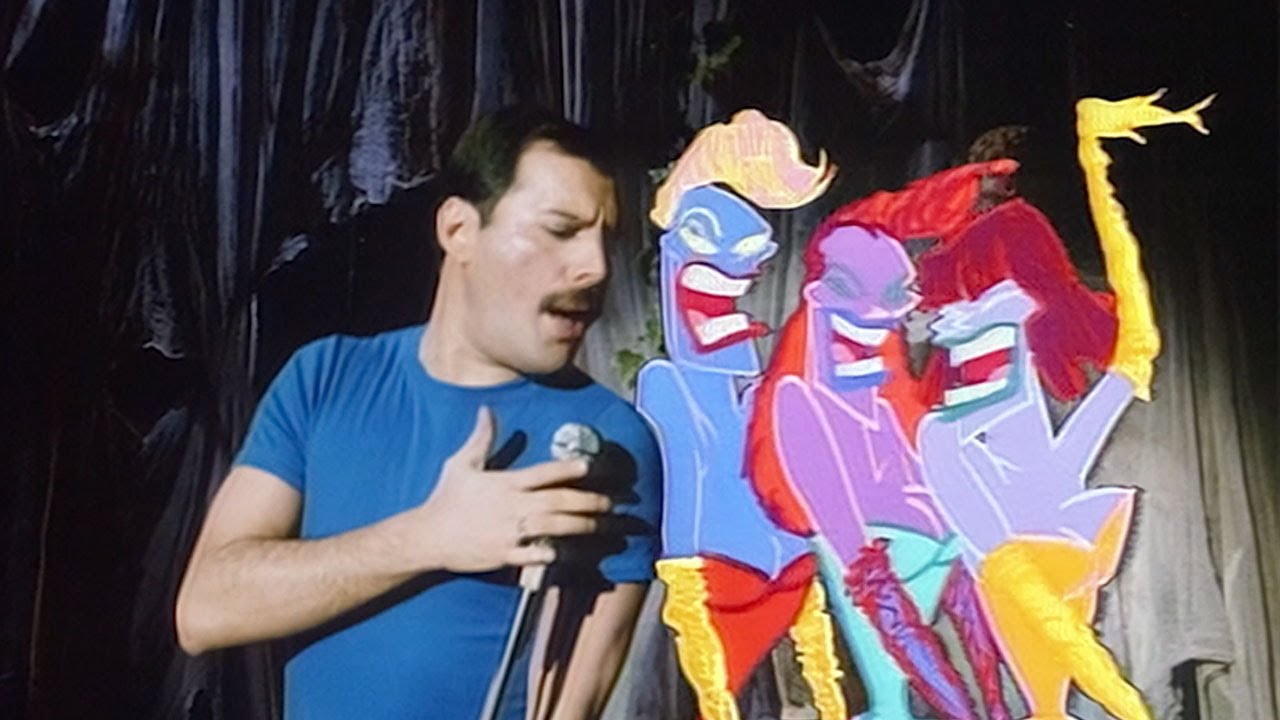
By 1986, Queen were so well established that they could seemingly do as they pleased. Eleven studio albums had preceded A Kind Of Magic, with major hits such as Bohemian Rhapsody and We Will Rock You firmly embedded in the cultural psyche of Britain and beyond.
Once you’ve already pumped out an enviable canon of gold-plated bangers, where do you go next? There’s only one logical step: an album inspired by the movie Highlander, of course! Queen had already lent two bespoke tunes to the movie’s official soundtrack, including Who Wants to Live Forever and Princes Of The Universe, with the rest of A Kind Of Magic drawing lyrical and thematic inspiration from Russell Mulcahy’s now-loved fantasy actioner.
Thanks to its fantastical influences, the entire record, including its excellent title track, showcases a distinct ambience from much of that which preceded it. Gone are the bone crunching riffs of, say, Hammer To Fall, replaced by a sparser, moodier yet lighter tone that prioritised swooning keyboards and sprinkles of guitar in place of the full-on, stadium rock assaults for which the group had become infamous.
It’s not ideal for fans of Queen’s more raucous works, but A Kind Of Magic’s sparser instrumentation allows for Mercury’s incomparable vocal talents to shine all the brighter as he moves effortlessly from synth pop balladeer to full-throated frontman.
There can be only one, and his name is Freddie Mercury.
Words by Harry McKerrell
Heartland by The The
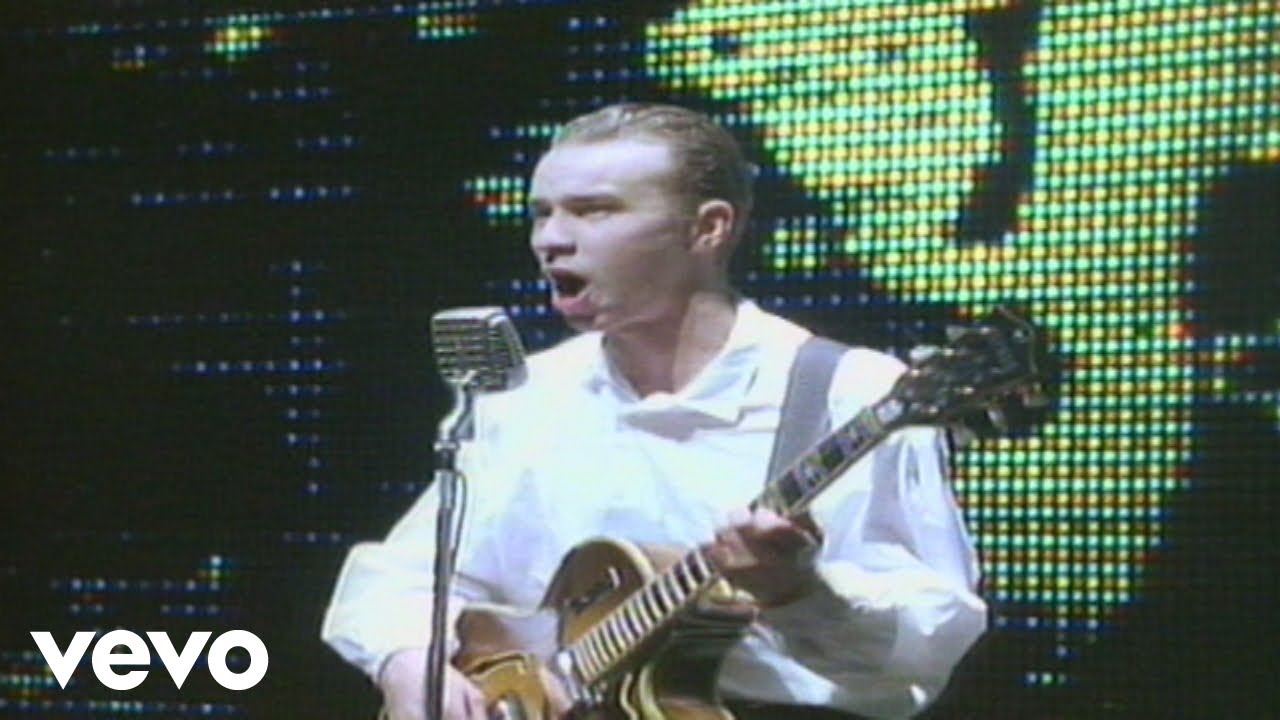
Infected, Matt Johnson's 1986 follow-up to sublime The The debut Soul Mining has its own share of incredible tunes, and its lead-off single, Heartland, is a heady concoction of alternative pop sensibility, stirring musicality and political bite.
From the doom-laden industrial clatterings that mark the start of the track, Johnson laments a 1980s Britain "crumbling to the ground", but along the way he manages to craft a near-perfect pop tune with a lot for your hi-fi to pick apart.
His rich baritone vocal delivery is backed by wonderfully yearning strings, virtuosic yet mournful harmonica and the tinkling of a boogie-woogie piano (not, this time, by Jools Holland but Steve Hogarth, later of Marillion) that somehow still manages to sound icy cold and moody, as befits the cruel landscape the lyrics are describing.
Here, Johnson took aim at Margaret Thatcher and the ruling Conservative government of the time, believing they were polarising Britain to the point of violence by widening the class divide. But although he intended to document the mid-’80s, it's hard not to find even more prescience in his lyrics in these times.
Words by Chris Burke
True Colors by Cyndi Lauper
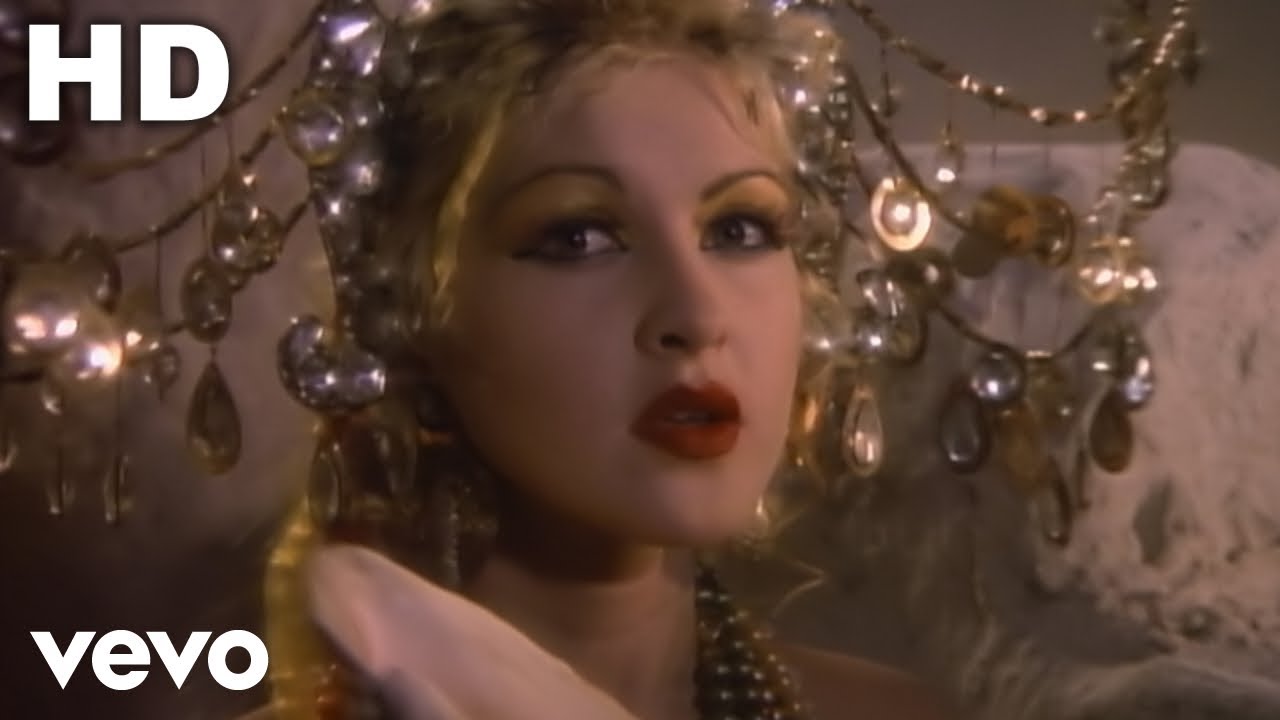
In an era filled with powerful vocals and big productions, Cyndi Lauper’s subdued but raw tones on True Colors stands out for their clarity and restraint. The song’s sparse arrangement allows her vocals and heartfelt lyrics to be the focal point, and her voice sounds so pure – from her sweet, almost saccharine, girlish singing in the verses, which rises to a raw, rough-edged intensity in the chorus.
There are moments where her vocals threatens to veer into all-out, power ballad territory, but Lauper shows remarkable restraint and brings it back to earth in a way that is far more impactful. It further emphasises the gentle acceptance and quiet but profound beauty of the lyrics.
It’s a beautiful if simple song that is packed with emotion, and no wonder that its message and her rawness has hit a chord with so many people who find comfort in it.
Words by Kashfia Kabir
You Can Call Me Al by Paul Simon
The happy synths, the groovy bass beat, the upbeat lyrics, the cheery video – every single element of Paul Simon’s hit is a joy to behold. The synths coupled with the brassy horn section and the afro-inspired beats combine to deliver a feel-good musical arrangement that is the very definition of a perfectly constructed pop track.
Simon’s vocals are breezy, jolly and fun to sing along with; they have a light touch that complements the instruments – even that penny whistle solo – in a way that keeps the music flowing brilliantly while we delight in the melodies.
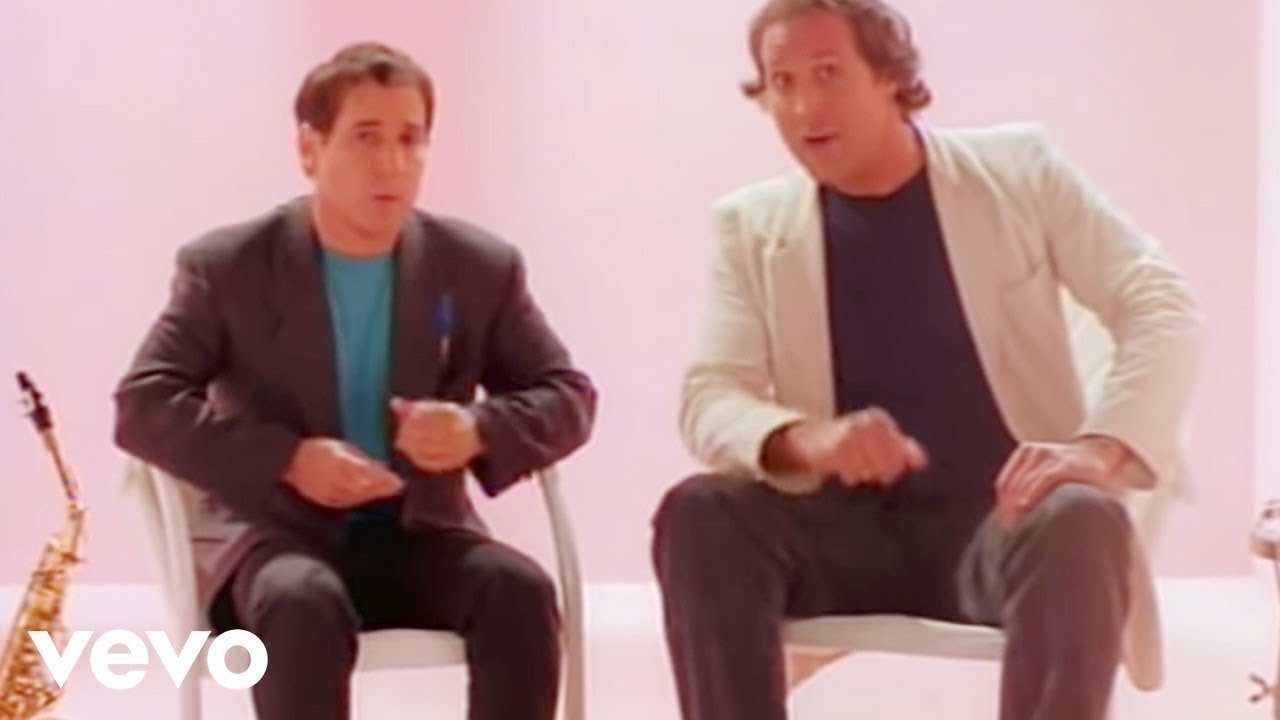
For many, like myself, the song is inextricably liked with the fantastic music video that runs like an SNL skit, which features comedian Chevy Chase mouthing along to the lyrics while a deadpan Paul Simon keeps leaving and entering the pink room with a new instrument. It’s a funny, lighthearted but brilliantly conceptualised video that works in pitch-perfect unison with the song.
Words by Kashfia Kabir
There Is A Light That Never Goes Out by The Smiths

This is Marr and Morrissey at the peak of their powers – the unmistakable sound of The Smiths at their soaring, sing-along best on what is their most-loved song. It’s a sound without which so much subsequent guitar music, most notably Britpop, would never have been the same.
The Queen Is Dead was the band’s third album and released in 1986. Strangely, this track wasn’t released as a single at the time, only coming out some six years later, long after the band had split up. Regardless, it has made myriad “greatest songs” lists and sits firmly atop Spotify and Tidal as the band’s most popular track.
There Is A Light That Never Goes Out delivers the band’s timeless mix of jangly pop melodies, low-string bass licks and sentimental lyrics. The pared down but still intricate sound of the band combines effortlessly into a solid whole that your system can take and run with. There should be swing and emotion, plus no little mystery in Morrissey’s lyrics and vocals. If you’re not moved by the end, then something isn’t right somewhere. Let’s hope it’s with your hi-fi system.
Words by Joe Cox
Walk This Way by Run-D.M.C. ft. Aerosmith
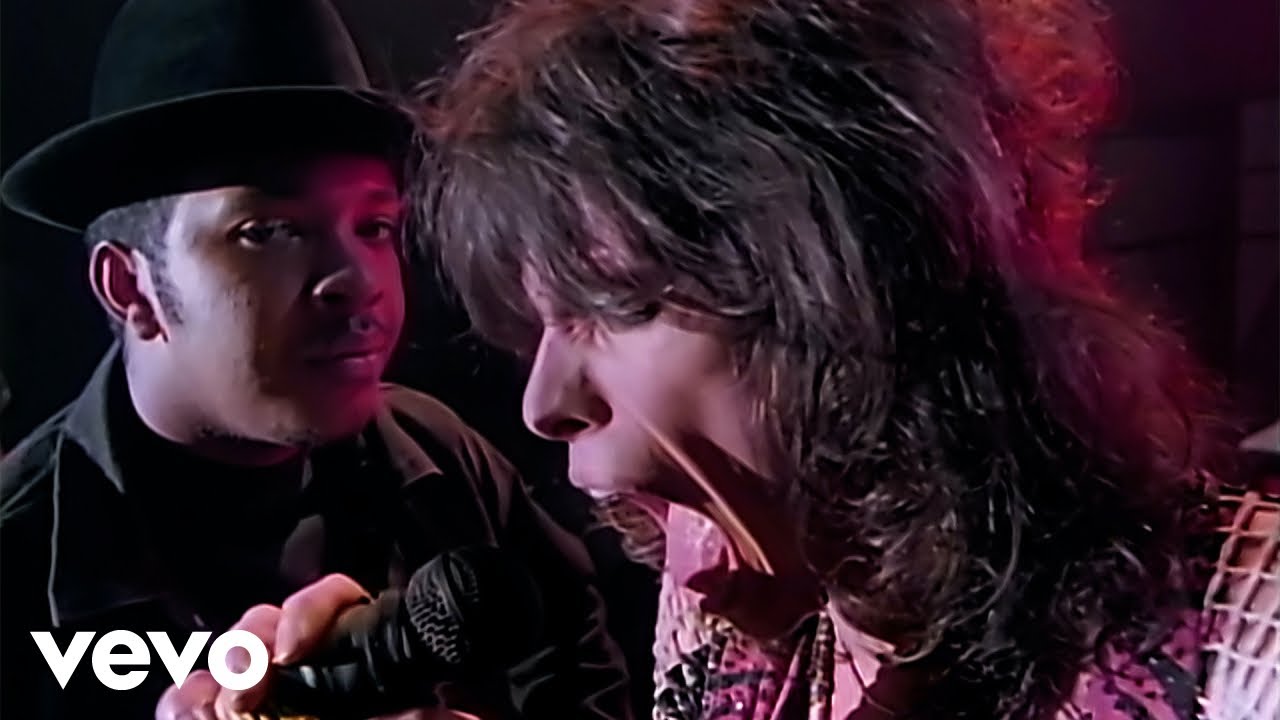
We’ve come a long way in 40 years, as this track just goes to show. Because while nowadays we think nothing of two bands from different genres collaborating on a song, in 1986 it was borderline revolutionary.
Back then, rock and rap were seen as two completely different worlds, playing to different markets – white and black, suburban and urban, respectively. You either liked one or the other, in marketers’ eyes, at least. Then along came Run-D.M.C. with a cover of a decade-old Aerosmith song, and upended that notion entirely. And they didn’t even know what the track was.
Run-D.M.C. would freestyle over the track’s opening bars during concerts, but had no idea what the song was or who it was by. After some initial opposition, they agreed to cover the track for their 1986 album Raising Hell. The result was Run-D.M.C.’s highest-charting single to date, while also giving Aerosmith’s career a massive shot in the arm. (House DJ Jason Nevins would go on to do the same for Run-D.M.C. when he remixed their 1983 track It’s Like That in 1997, introducing the band’s work to a whole new generation of fans.)
Like all good covers, the Run-D.M.C. version went on to become better known than the original, while also charting higher than it. But more importantly, it broke down walls between musical genres (something alluded to in the music video), and brought to mainstream acceptance the idea that when it comes to what kind of music you like, it doesn’t have to be a case of either/or.
Words by Joe Svetlik
MORE:
Prefer the 90s? Don't Look Back in Anger at these classic 1996 tracks turning 30 this year
Old amplifier vs new amplifier: does the best hi-fi from the 80s stand the test of time?
Blu-ray might have a saviour in the streaming age, and it’s nothing to do with picture quality