In case you missed it, Netflix ended support for the PlayStation 3 (PS3) last week.
You probably did miss it, as the PS3 is approaching 20 years old(!), and unlikely to be your Netflix go-to (unless you were desperate to watch Stranger Things on a CRT TV in a 4:3 aspect ratio).
But for me, it was the end of an era. Before smart TVs and streaming sticks became commonplace, and indeed while I was on a student budget, the humble PS3 was how I watched everything. It was the most efficient, hassle-free way to get films and shows on my TV in then-glorious HD, and most importantly, required no further hardware cost.
It was also how I got into Blu-ray, too. It's entirely possible that I would have never begun my collection had my PS3 not arrived with a copy of Terminator: Salvation bundled in, and if the console had no Blu-ray support whatsoever, the chances of my young teenage self being able to invest in a standalone player were quite slim.
Which is why I think it's high time the video game console got a shoutout for its media centre capabilities.
It's certainly not how we'd recommend watching home cinema content if possible these days – see our guides to the best 4K Blu-ray players and best streaming devices for those – but they're undoubtedly a cost-effective option if you happen to be a gamer also, and have been gateway devices that have undoubtedly had a big impact on the industry.
Multimedia video game consoles had a rocky start – the Philips CD-i is rather infamous for its attempt to blend a CD player with a games console, while the Mega-CD add-on to the Sega Mega Drive caused consumer confusion more than anything else. It wasn't until the iconic PlayStation arrived in 1995 that we had a truly successful multimedia console – even though we weren't impressed with its CD capabilities at the time (though modders have taken things into their own hands).

This paved the way for the PlayStation 2, notable for not only featuring a built-in DVD player but also for being priced lower than most standalone DVD players at the time. The PS2 remains the highest-selling console of all time with 160 million units sold – and who knows how many of these sales were for those primarily after an affordable DVD player.
It's when we get to the birth of our beloved Blu-ray that video game consoles had a pivotal influence on the future of home cinema. The great Blu-ray vs HD DVD war was won in no small part due to Sony's decision to add a Blu-ray drive into the PlayStation 3 – increasing the format's user base by an extra nine million by 2008, when Toshiba ceased production of HD DVD players.
Despite the PS3's high launch price, it was still one of the more cost-effective – and best-performing – Blu-ray players at the time, and an update even added support for 3D Blu-ray. Heck, the console has even been receiving software updates for its Blu-ray capabilities as recently as 2025.
I was one of many who were disappointed when the PS4 Pro did not support 4K Blu-ray – the format may well have been in a better position now if Sony's super-popular console had given gamers the gift of 4K optical disc playback, following the lead of Microsoft's ambitious, if struggling, Xbox One X & S models.
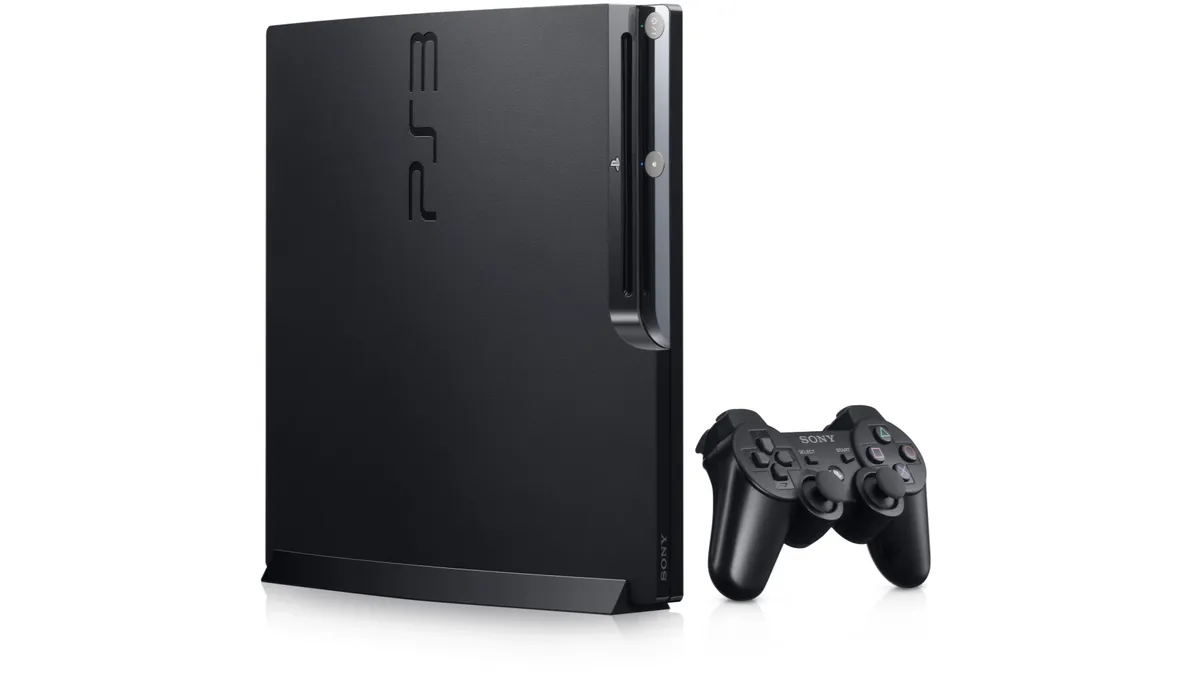
It was the PS3 and Xbox 360 generation that also turned the games console into a true multimedia hub that home entertainment fans took note of. Now with hard drives of up to 500GB, films and TV shows could be bought and downloaded onto the PS3 and 360. Media files could be accessed over a shared network, and the PS3 even had Bluetooth 2.0.
These consoles were also way ahead of the streaming curve. Netflix launched on Xbox 360 all the way back in November 2008, when Amazon Fire TV Sticks were just a glint in Jeff Bezos' eye, and was also the very first device to offer Netflix streaming in HD.
I clearly wasn't the only one having consoles double up as my streaming appliance – by 2012, Sony reported that more people streamed Netflix on their PS3 than on any other device.
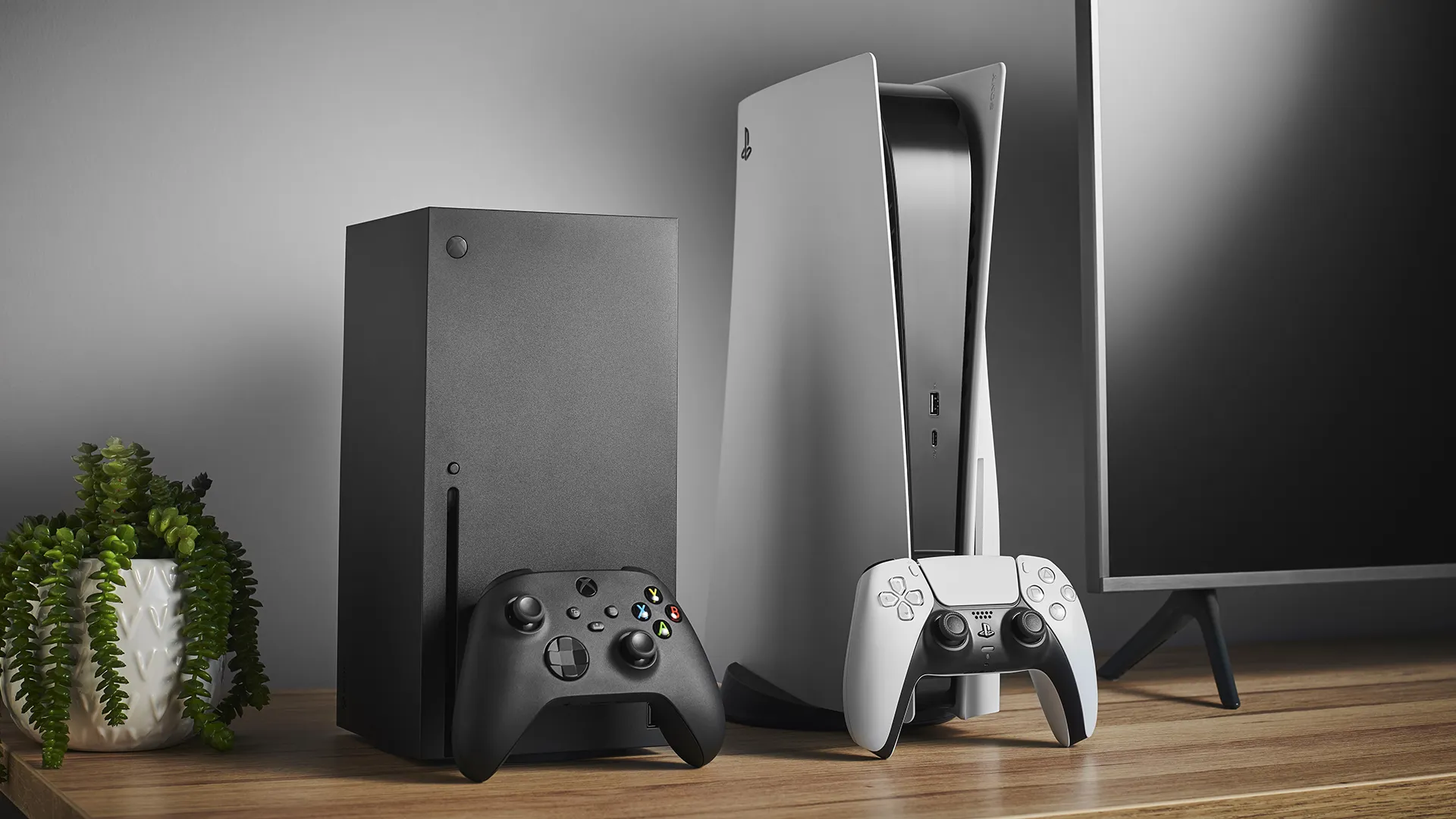
And today? Smart TVs and devices are so prevalent that the multimedia capabilities of game consoles are far less called upon, even though the current PlayStation 5 and Xbox Series X still offer a rather comprehensive range of streaming options.
And while they haven't quite had the same impact as their predecessors had on DVD and Blu-ray popularity, the PS5 and Series X are likely, by far, to be the most common 4K Blu-ray players out there.
Even though they would not be our recommended devices for the job, anything that gets more 4K Blu-rays into people's homes is a good thing – and has surely helped contribute to the recent rise in 4K Blu-ray sales despite a dearth of new Blu-ray players.
I'm definitely grateful for the convenience and quality that we get from smart TVs and dedicated media players these days – but part of me will always remain nostalgic for a time when one device was the gateway to so many different worlds.
Which is the best 4K Blu-ray player, PS5 or Xbox Series X?
And check out our picks for the best streaming devices
As well as our picks for the best Blu-ray players

