When you're looking for a portable DAC, we're inclined to point you in the direction of Award-winning sub-£200 USB DACs such as the Cyrus soundKey and Audioquest DragonFly Red. Or to the £400 Chord Mojo, depending on your budget.
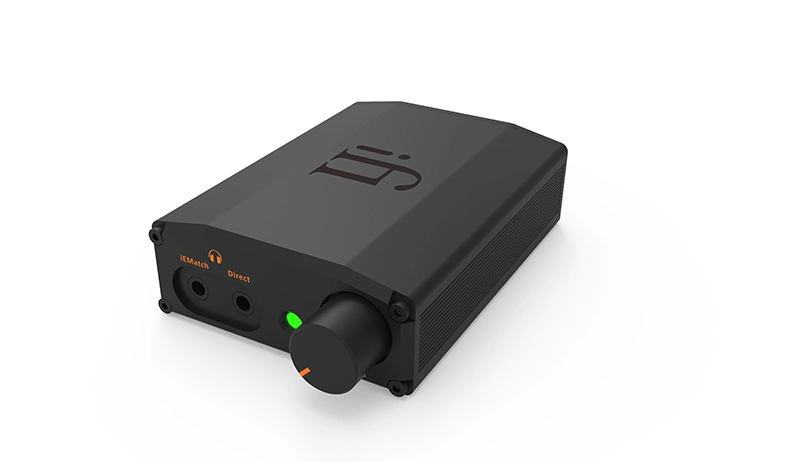
But iFi Audio is offering a happy medium: its nano iDSD Black Label is a hi-res headphone amplifier and DAC that aims to improve your laptop or smartphone's sound quality for just £200.
iFi claims the DAC has ten times the power of an iPhone 6 and can comfortably drive a wide range of headphones, from in-ear designs to more demanding over-ear headphones (up to 600ohm).
It offers a wide range of file compatibility, from high-resolution tracks up to 32bit/384kHz to DXD and DSD256 files. It is also compatible with MQA files. The DAC offers two filter options: 'Listen' (which iFi suggests sounds better) and 'Measure' (which performs better in measurement tests).

Much like Mojo, this small and lightweight DAC can be used as part of your hi-fi system but is also designed for portable use. You get 10 hours of battery life on a single charge, and the inputs - especially the USB type-A port, which doubles up as the charger - makes it easy to connect to Android and iOS smartphones.
Other connections include a 3.5mm line-level output - which can be connected to an amplifier or active speakers - and two 3.5mm sockets for plugging in your headphones.
We were entertained by the recently-reviewed iFi nano iOne, so we're looking forward to seeing how this new portable DAC fares.
The iFi nano iDSD Black Label is available now for £200.
MORE:
DACs: everything you need to know
MQA audio: What is it? Where can you get it?
Spiritland opens Headphone Bar showcasing "world's finest portable audio"
High-resolution audio: everything you need to know
Ear Buddy: iFi's £20 dongle for better sound
