
Every team at this year's World Cup Finals will show up in a different kit, a newer and snazzier kit, than the one they wore last time. And yet somehow they'll all stand there in the baking heat just before kick-off, listening to the same old national anthem as the time before, and the time before that... so I think it's time for a change.
I think it's time we upgraded the national anthem of every country competing in the 2026 World Cup to feature newer and more interesting music, music written by their favourite sons or daughters. Imagine how lively the pre-match would be if this playlist was the soundtrack – and then please be upstanding...
Group A
Mexico
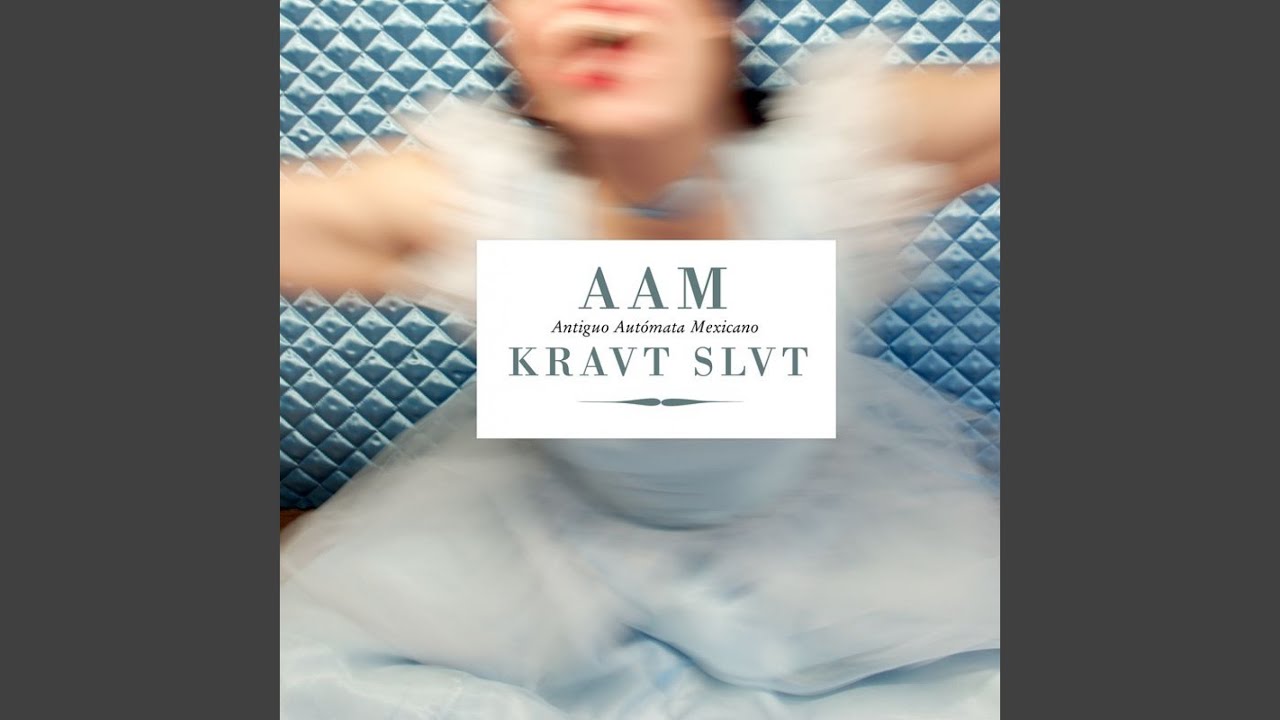
Rother, Dinger, You and Me by Antiguo Autómata Mexicana
This streamlined, low-temperature slice of microhouse is a nod towards Michael Rother and Klaus Dinger of kosmiche musik legends Neu! and is the opening track on the 2007 album by Angel Sanchez Borges under his ‘AAM’ alias. You weren’t expecting mariachi or something, were you?
South Africa
I Fink U Freeky by Die Antwoord
There’s the controversy around cultural appropriation, the allegations of homophobia and sexual assault that follow Die Antwoord around like a bad smell, the unflinchingly disturbing public personas and the shameless co-opting of working-class Afrikaner motifs. Then there’s the relentlessly abrasive music, some of which will live rent-free in your head for years.
South Korea

Charlie Brown by The Kim Sisters
Long before the advent of K-Pop there was, well, K-Pop. The Kim Sisters played their own instruments, learned the lyrics of popular Western songs phonetically, and went down an absolute storm – their first appearance on the Ed Sullivan Show predates that of The Beatles by almost five years.
Czechia
Nic Než Láska Tvá by Karel Gott
Known during his six-decade career as ‘Golden Voice of Prague’ and ‘Sinatra of the East’, Karel Gott was a superstar in his native Czechia and a very big deal in other European territories too. Taken from Karel Gott 1974, this banger makes the accolades understandable (and also showcases his remarkable taste in bowties).
Group B
Canada
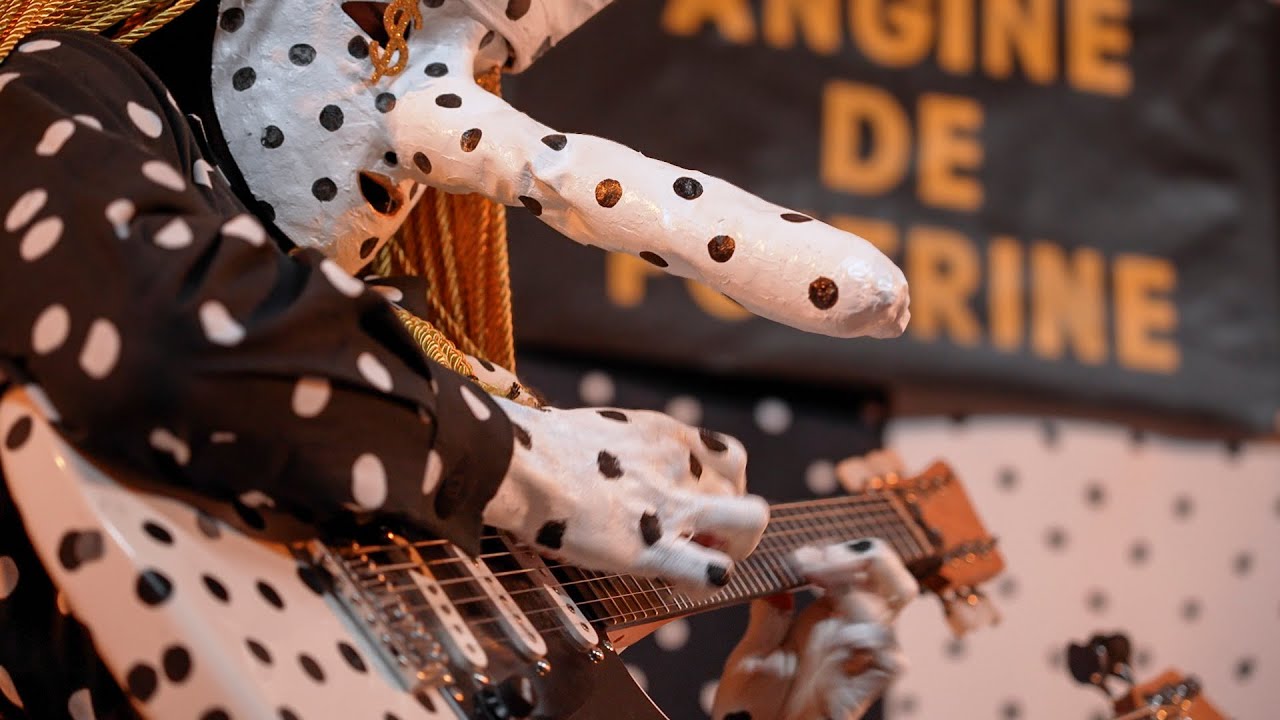
Sherpa by Angine de Poitrine
There’s more than enough that’s peculiar about Angine de Poitrine without the pretence that the pair of them are 333-year-old time travellers that take their inspiration from a monkey musical quartet from Borneo. Here’s the combination of math-rock and polka-dot papier-mâché you never knew you needed.
Bosnia and Herzegovina
Jutro U Splitu by Merlin
Dino Merlin (Edin Dervišhalidović to his mum) founded the band Merlin – this track is from their 1985 debut album Kokuzna Vremena. After the collapse of Yugoslavia, this son of Sarajevo (who was, incidentally, captain of his school football team) was invited to compose the national anthem of the Republic of Bosnia and Herzegovina.
Qatar
Wat Soutak by Fahad Al Kubaisi
Given that he was one of the acts at the opening ceremony of the 2022 World Cup, Fahad Al Kubaisi’s credentials for inclusion in this playlist are impeccable. The fact that he has a bachelor’s degree in sports science and physical education only makes his case stronger.
Switzerland
Ain’t You by Kleenex
The original Zurich punk rockers, forced to change their name by a humourless gang of facial tissue vendors (they became LiLiPUT), got through band-members at a pace and laid down the noise like their lives depended on it. Kurt Cobain’s list of 50 favourite albums famously included “anything by Kleenex”.
Group C
Brazil
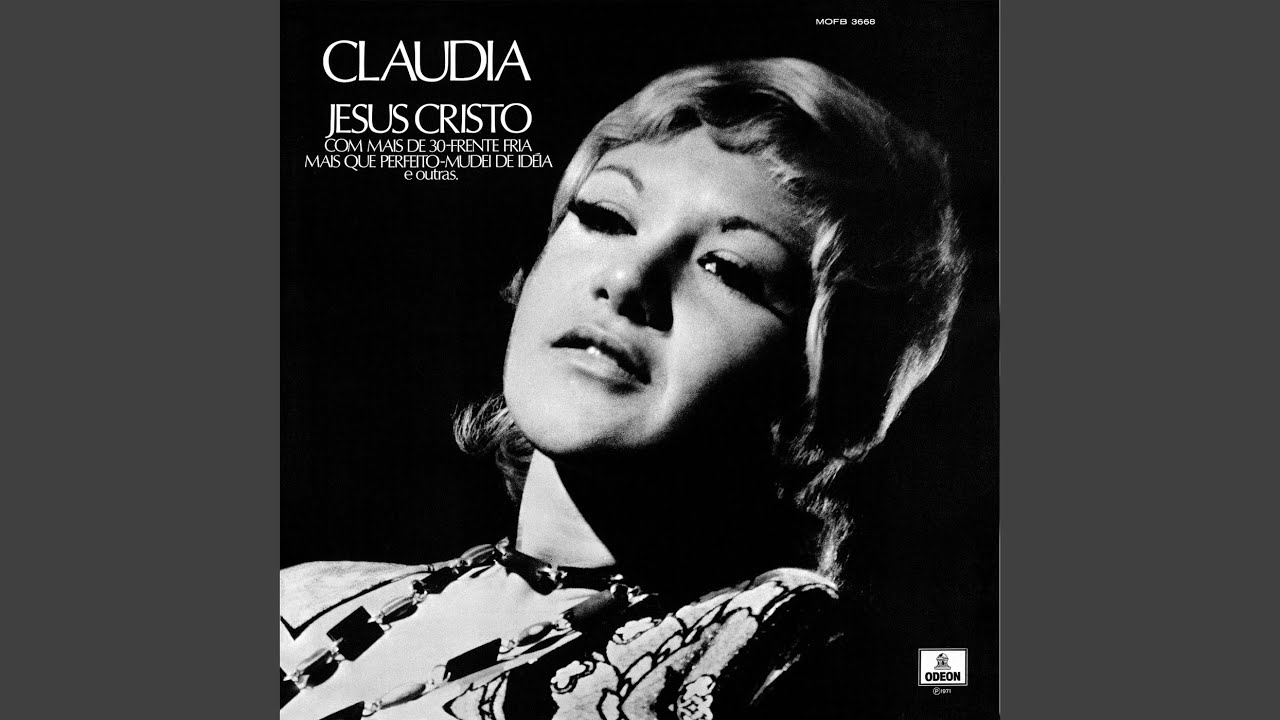
Com Mais De 30 by Claudya
Somehow when a Brazilian recording artist decides to embrace rock, funk and psychedelic soul, as Claudya did with her 1971 album Jesus Cristo, the results groove in a manner that’s so samba-adjacent that it could ONLY come from Brazil. Obviously this is no way a bad thing.
Morocco
Boujeloud (Gimbrisdrums) by The Master Musicians of Joujouka
‘Discovered’ by William S. Burroughs in the 1950s, produced by Brian Jones (basically the final creative act of his life) in the 1960s, championed by the likes of Ornette Coleman, these sons of sons of sons of musicians have constantly evolved and renewed. Burroughs’ description of them as a “4000-year-old rock’n’roll band” seems entirely appropriate.
Haiti
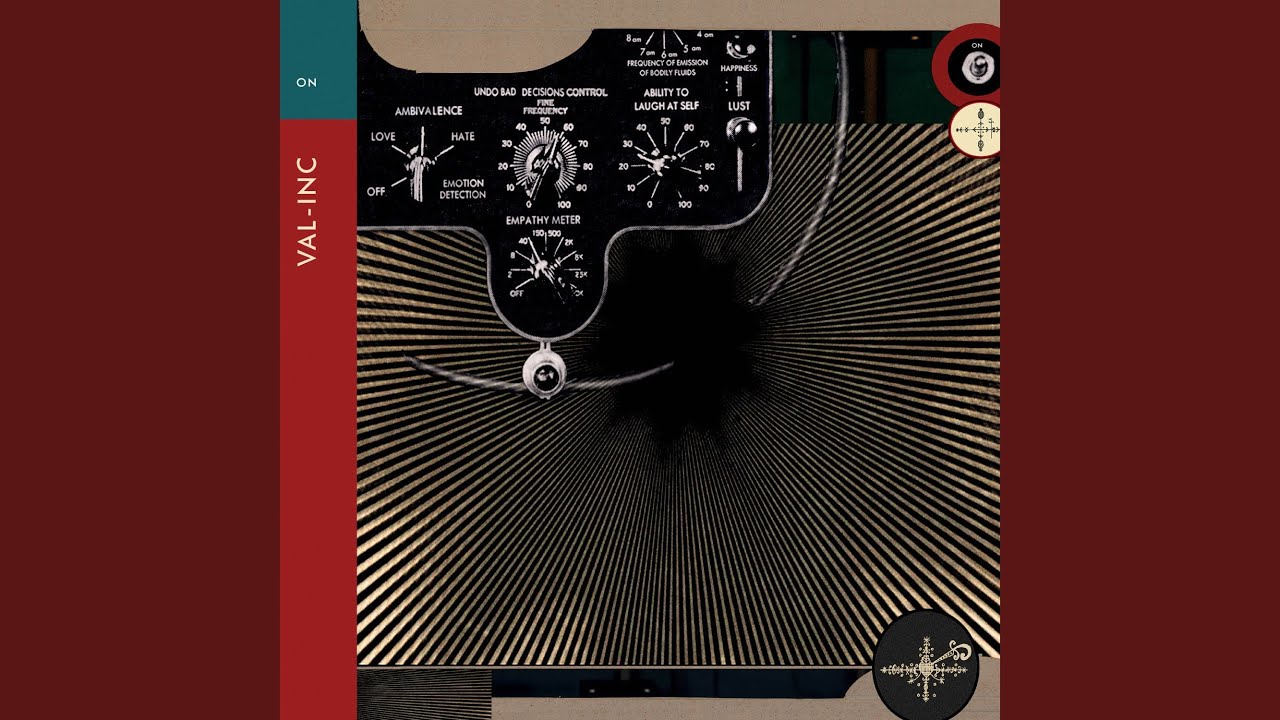
Faces by Val-Inc
Val Jeanty is a Haitian composer and DJ, and a professor at Berklee College of Music. Her intertwining of the African/Haitian ‘vodou’ sonic tradition with electronics and turntablism has led to her work being dubbed ‘afro-electronica’ and ‘vodou-electro’ – because categorisers gonna categorise. This 2007 cut is a great introduction to a fascinating artist.
Scotland
All Reason Departs by Boards of Canada
Back in what passes for ‘the limelight’ after 13 years away, Boards of Canada remain just as effortlessly mysterious and utterly singular as they ever were. If you want to feel nostalgic for places you’ve never been and things you’ve never seen, this will get you there nicely.
Group D
USA
Love Hangover by Diana Ross
She’s not the only person to have missed a penalty at the World Cup, but Diana Ross managed her miss at the 1994 opening ceremony before the tournament was even under way. Still, we shouldn’t be too hard on her – after all, how many penalty-scorers have delivered an impeccable disco barnstormer like this one?
Paraguay
El Último Canto by Berta Rojas
There’s no connection to football here, and no attempt to find one – it’s more than enough to hear an absolute virtuoso of the classical guitar pushing hard at the boundaries of what her instrument is capable of expressing and, by extension, the level of emotion she’s able to communicate.
Australia
Cattle and Cane by The Go-Betweens
If you like your indie guitar-pop on the literate, emotionally ambiguous, elegant and understated side, the songs performed by the Brisbane group led by Grant McLennan and Robert Forster should be on your radar if they’re not already. Not every band gets a toll-bridge in their hometown named in their honour, after all…
Türkiye
Ince Ince Bir Kar Yağar by Selda Bağcan
In the 50-plus years of her career, Selda Bağcan has embraced rock, psychedelia, electronica and plenty more – but has always come directly and fiercely from the Turkish tradition. (In)famously arrested and imprisoned for the hair-raisingly political content of some of her most celebrated music, she’s currently at liberty and touring.
Group E
Germany
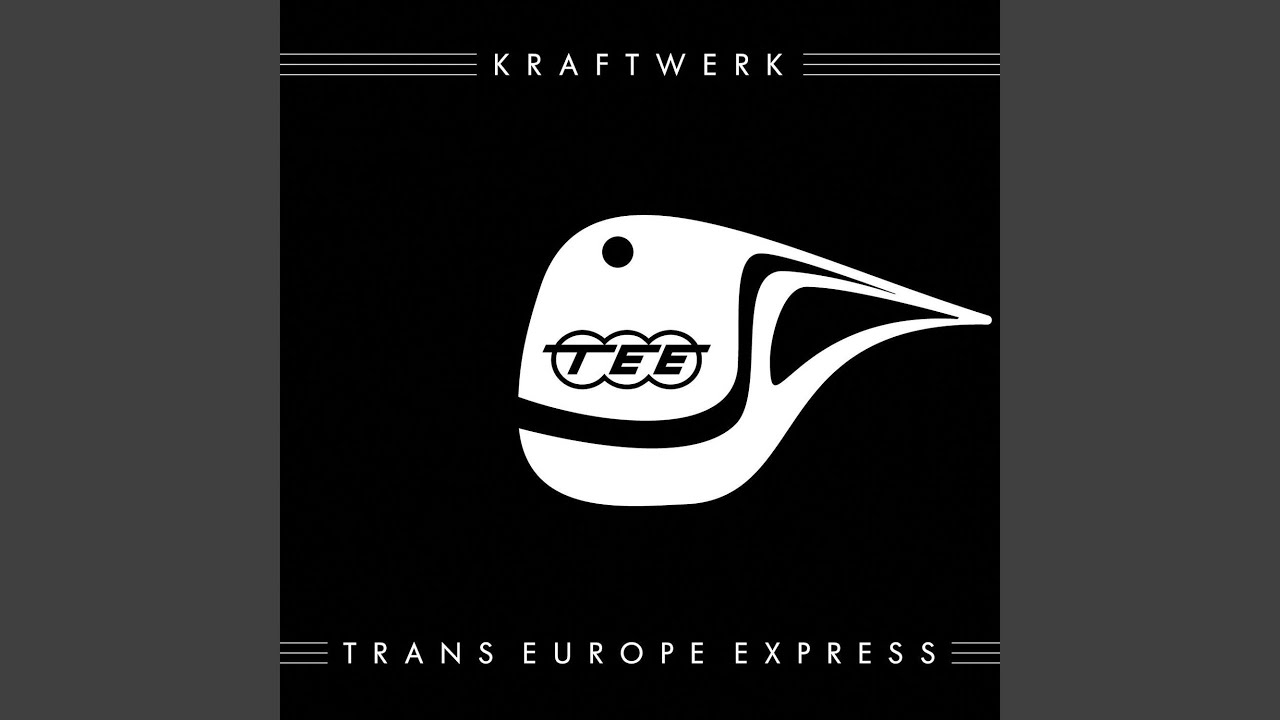
Europe Endless by Kraftwerk
There’s a debate to be had about exactly who has been the most influential post-War musician/musicians – but if the debate doesn’t include Kraftwerk then it’s flawed right from the off. Germany has never been short of inventive, exploratory, single-minded bands – but when it comes to casting the longest shadow, don’t look any further than Kraftwerk.
Curaçao
Simadan Kologá by Konkie
Russell ‘Konkie’ Halmeyer has been honing his steelpan technique since his pre-teens. At this point he is considered Curaçao’s most innovative, influential and, consequently, most important pannist, credited with taking the instrument from its traditional carnival and calypso environment into the realms of the wider Caribbean sound and even towards jazz.
Ivory Coast
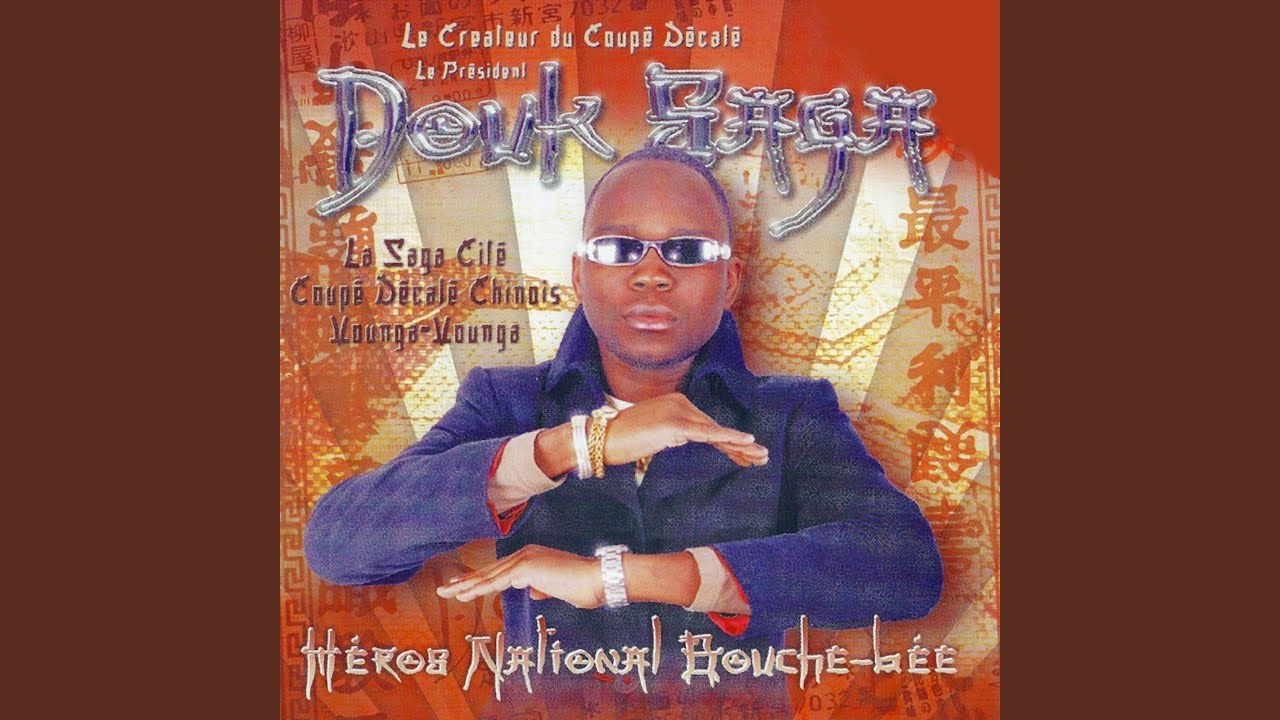
Proclamation by Douk Saga
Not every musician can credibly claim to have invented an entire genre of music, as Douk Saga did with the coupé-décalé style. Percussion-heavy, drawing liberally from ndombolo and zouglou, and with almost as much emphasis on the look as on the sound, coupé-décalé and its derivatives remains the definitive sound of an Ivorian night out.
Ecuador
Tudo é Ilusão by Nicola Cruz
By pulling melodic inspiration from indigenous Ecuadorian instruments and smoothing out the hectic tempos of his beloved peak-time techno, Nicola Cruz has developed ‘Andes-Step’. It might sound a contrived moniker, sure – because it is – but when you hear Cruz’s combination of dancefloor functionality and nuanced experimentalism it makes perfect sense.
Group F
Netherlands
Love Buzz by Shocking Blue
Leading lights of the late 60s ‘Nederbeat’ movement in the Netherlands, and the band whose song Venus has become a standard, Shocking Blue enjoyed a second lease of life when Nirvana (them again) covered Love Buzz as their debut single and included it (in a slightly different mix) on debut album Bleach.
Japan
Mass Communication Break Down by Shonen Knife
Hectic Osaka three-piece Shonen Knife always wore their hearts and their influences on their sleeves and, while they were always fond of a Beach Boys inflection or two, here they’re channelling their inner Ramones – and to sweatily thrilling effect. If the Japanese team can play at this tempo, they could go deep into the tournament.
Sweden
Down the Line by José González
For a man whose first few bands were eyes-out-on-stalks hardcore punk outfits in the manner of Black Flag or Dead Kennedys, the solo music José González has released treads very softly – yet neither seems to be what you might expect from a man with a master’s degree in molecular biology from the University of Gothenburg.
Tunisia
Amber by Omar El Ouaer
According to some, Omar El Ouaer is the Tunisian Jazz Pianist. Having travelled the circle of graduation from Tunis Institut Supérieur de Musique to lecturing back at the institution, he’s a veteran of numerous global jazz festivals and is also an occasional featured musician with the New York Vanguard Jazz Orchestra.
Group G
Belgium
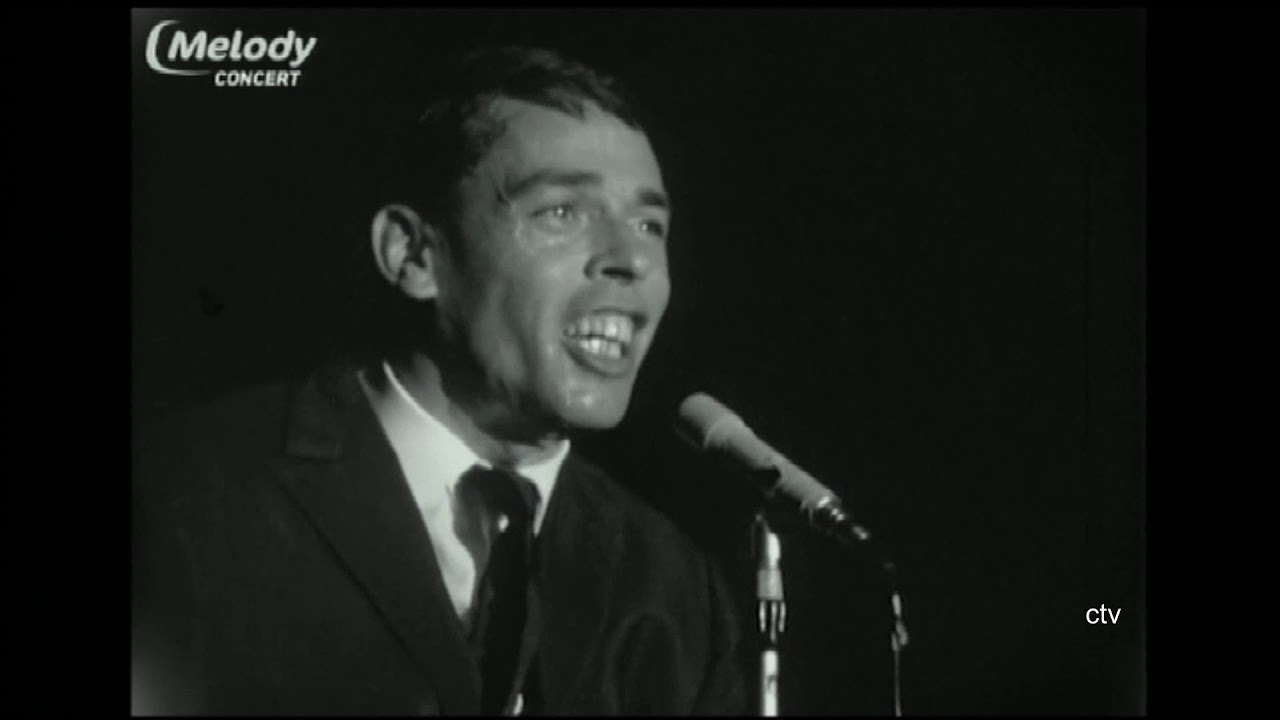
Mathilde by Jacques Brel
The undisputed king of modern chanson, Jacques Brel was an enormous influence on a huge number of recording artists. When the list of performers who’ve interpreted your songs includes names as auspicious as David Bowie, Nina Simone, Ray Charles, Frank Sinatra and Marlene Dietrich, it’s obvious you were something special.
New Zealand
Shapeshifter by Lorde
Given that she holds passports for both New Zealand and Croatia, Lorde has two dogs in the World Cup 2026 fight – but for my purposes, on the basis that she was born and raised in Auckland, she’s representing the Kiwis here. And in her recently established ‘techy-yet-mystical’ style, what’s more.
Iran
Akhm Nakon by Kourosh Yaghmaei
There’s a definite ‘before’ and ‘after’ in the career of Kourosh Yaghmaei. Before the 1979 revolution, he was ‘the Godfather of Iranian psychedelic rock’, a moustachioed and funky performer whose records sold in big numbers. After the revolution, his work was banned from Iranian radio and homes, and his name was banned from the press.
Egypt
Gannit Naimi by Umm Kulthum
“Imagine a singer with the virtuosity of Joan Sutherland or Ella Fitzgerald, the public persona of Eleanor Roosevelt, and the audience of Elvis and you have Umm Kulthum, the most accomplished singer of her century in the Arab world” – Virginia Danielson, author of The Voice of Egypt.
Group H
Spain
Entre dos Aguas by Umm Kulthum
There’s flamenco guitar before Paco de Lucia, and flamenco guitar after – and be in no doubt, ‘after’ is the more colourful, more accessible, groovier, jazzier and altogether more welcoming place to be. To hear Entre dos Aguas is to hear the mastery of a technician for whom the word ‘virtuoso’ is almost too weak.
Saudi Arabia
Disko Luv by Dish Dash
Brothers Hassan and Abbas Ghazzawi comprise Dish Dash – they are generally considered pioneers of Saudi electronic music and are certainly the first Saudi performers to host public DJ events in the country. Would you be staggered to learn they cite their first visit to Ibiza as being critical to shaping their sound?
Uruguay
La Cumparsita by Gerardo Matos Rodriguez
Gerardo Matos Rodriguez was a teenager when he composed La Cumparsita (‘the little parade’) in 1916. La Cumparsita is the very definition of the tango and instantly recognisable to anyone with ears to hear, whether they’re familiar with tango music or not. ‘Ubiquitous’ is the word I’m going to use.
Cape Verde
Destino Negro by Cesária Evora
It was a career of two halves for the barefoot diva. Despite her popularity as a singer in Cape Verde during her late teens, lack of financial recompense led Cesária Evora to quit. Years later, interest from overseas led to the recording of her debut album in 1988 (at the age of 47) and success on several continents.
Group I
France
Qui Sème le Vent Récolte le Tempo by MC Solaar
The French partiality for hip-hop was already established, but it took the release of MC Solaar’s debut album in 1991 for the country to truly get a homegrown rap hero. This is the title track, and as a demonstration of Solaar’s abilities where flow and expression are concerned it makes a very strong case.
Senegal
Jigueenu Africa by Guiss Guiss Bou Bess
‘Mbalax’ has been the preeminent dance music of Senegal since the 1970s, and lately it has been updated to include elements of Western club vocabulary – but it has never let go of its heritage. The tama talking drum and polyrhythmic sabar drumming in particular root Jigueenu Africa to a specific place if not a specific time.
Iraq
Individuation by Khyam Allami
Although as a teen he attempted to reject his heritage, stopped speaking Arabic and developed a love for Western music and instruments, the 2003 invasion of Iraq led Khyam Allami to reappraise his playing of the oud and to dedicate himself to the instrument’s music. The results are eloquent and periodically transcendental.
Norway

hornylovesickmess by girl in red
There’s frank, direct and confessional, and then there’s Marie Ulven Ringheim. As girl in red she’s toured the world, supported Taylor Swift, been cited as a ‘queer icon’, and sold five million ‘digital units’ in the USA; as Marie Ulven she has begun a career as an actor.
Group J
Argentina
Rasguña las Piedras by Sui Generis
No Charly Garcia, no Argentine rock scene – or, at least, a very different one. In a 50-year career he’s operated in a dizzying variety of genres, but he made his name as a member of gently confrontational and deeply influential band Sui Generis. They don’t give out Grammy Awards for ‘musical excellence’ to just anyone, you know…
Algeria
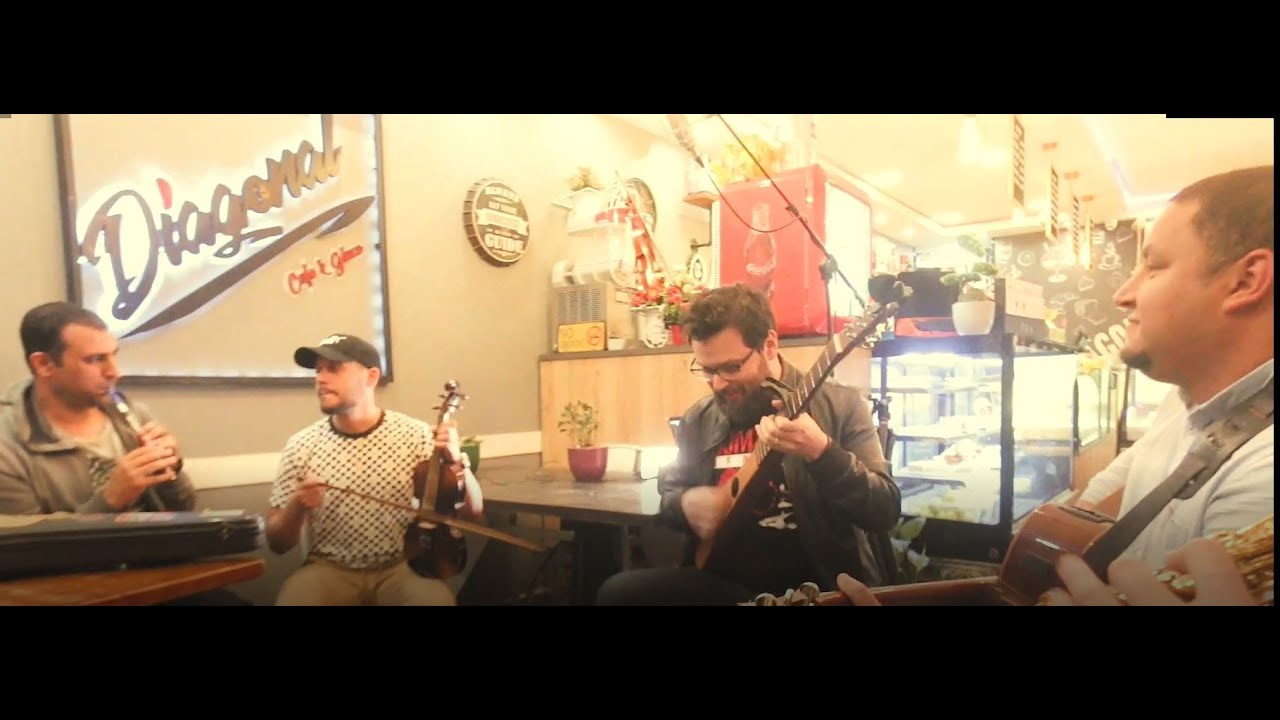
Amchi Ya Rassoul by Djmawi Africa
It’s not an especially complicated notion, but the real success of Djmawi Africa’s mission to bring the African origins of Algerian music is in its imagining of a mixed North African peoples and its embracing of jazz and reggae while it’s at it. ‘Pioneers of Algerian musical renewal’ don’t come any more invigorating.
Austria
Don Giovanni Suite (3) Madamina by Wolfgang Amadeus Mozart
Of course Austria has had more than its fair share of notable and successful musicians, from Franz Liszt to Falco, but the simple fact is this: Wolfgang Amadeus Mozart is the GOAT. This piece from 1787 is just one of over 600 pieces the maestro composed, so you have at least 599 more bangers to look forward to.
Jordan
Malyoun by JadaL
If you need any proof that the notion of ‘rocking out’ acknowledges no boundaries either political or personal, don’t look any further than JadaL. Led by Amman-born Mahmoud Radaideh, for four albums (plus an epic live recording), JadaL has specialised in pedal-to-the-metal, fist-in-the-air currency that successfully ignores supposed limitations such as language.
Group K
Portugal
My Funny Valentine by Rafael Toral
Toral describes his music as “melodic without notes, rhythmic with no beat, familiar but strange, meticulous but radically free” – and when you hear this drastic reinterpretation of an established jazz standard it’s hard to disagree. It’s equally hard not to be lured into Toral’s endlessly intriguing and rewarding world.
Uzbekistan
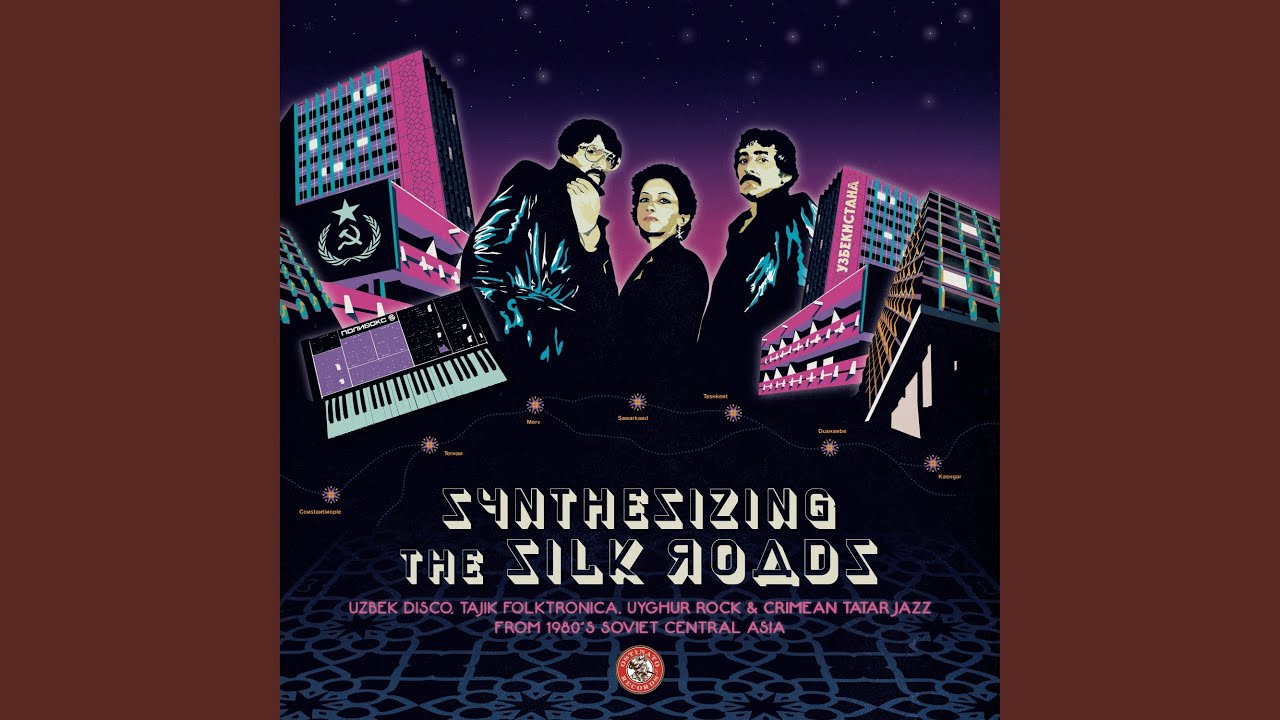
Radost by Yashlik
The Soviet-era Uzbekistan cannot have been the most conducive to creative pursuits, but this didn’t prevent a determined cohort of musicians cooking up an extraordinary blend of synth-pop, free jazz, prog rock and out-and-out disco, and distilling something absolutely unique. This 1984 cut is, at 2m 28s, about half as long as it ideally should be.
Colombia
Cumbia del Pichamán by Meridian Brothers
Where to start with Meridian Brothers? They cheerfully incorporate traditional Colombian styles like cumbia and salsa into their music – but they then deconstruct it like some South American answer to The Residents and, in the case of Cumbia del Pichamán, slap on huge (and uncredited) portions of Son of a Preacher Man.
DR Congo
Osala Erreur by TPOK Jazz
OK Jazz (later Tout Puissant Orchestre Kinois de Jazz and then, sensibly, TPOK Jazz) had a novel business model. For a period during the 70s and 80s the band had over 50 members – which meant it could play the clubs of Kinshasa while simultaneously touring in Europe and North America.
Group L
England
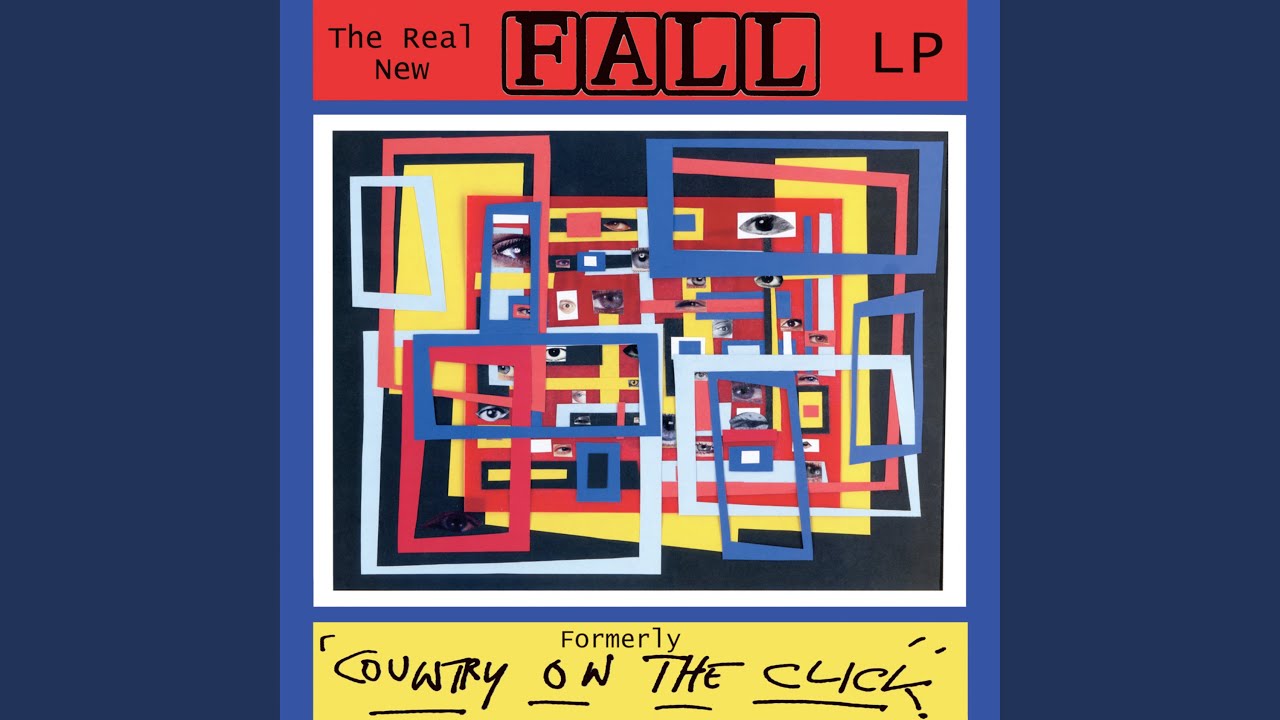
Theme from Sparta F.C. by The Fall
Predictable only in its unpredictability, this slice of late-era Fall is not so much about football as the fact that away supporters have, on occasion, been murdered at games. It’s presumably this level of cheerful reportage that led the BBC to use an early version as the music bed behind its ‘Final Score’ feature for years on end.
Croatia
Aquarium by Maksim Mrvica
Ever felt that a widely admired classical piece (like, for instance, Camille Saint-Saëns’ Aquarium) might benefit from a beat-y, modernist update by a good-looking piano virtuoso? Help is at hand in the photogenic shape of Maksim Mrvica, who likes nothing better than retooling older works for the Classic FM Calm generation.
Ghana
Hini Me by Kojo Antwi
Smoother than a very smooth thing, Kojo Antwi has been a Titan of modern Ghanaian highlife and lover’s rock styles for longer than he’s likely to admit to. Widely known as ‘Mr Music Man’, he’s the first Ghanaian to be nominated for a ‘BET’ (Black Entertainment Television) Award in North America.
Panama
Mother of the Future by Carlos Garnett
If ‘credibility’ is the name of the game, Carlos Garnett had more than most. An entirely self-taught musician, he performed in some of the most famous bands assembled by Art Blakey, by Charles Mingus and by Miles Davis – and he had a critically acclaimed career as a solo artist and band-leader, too.
MORE:
Want even more localised music recommendations? Here's our playlist of songs by an artist from each of the 16 host cities
