
Moving magnet? Yes
Moving coil? No
Cartridge loading adjustment? No
Remote control? No
Dimensions (hwd) 5 x 10.7 x 18cm
Weight 500g
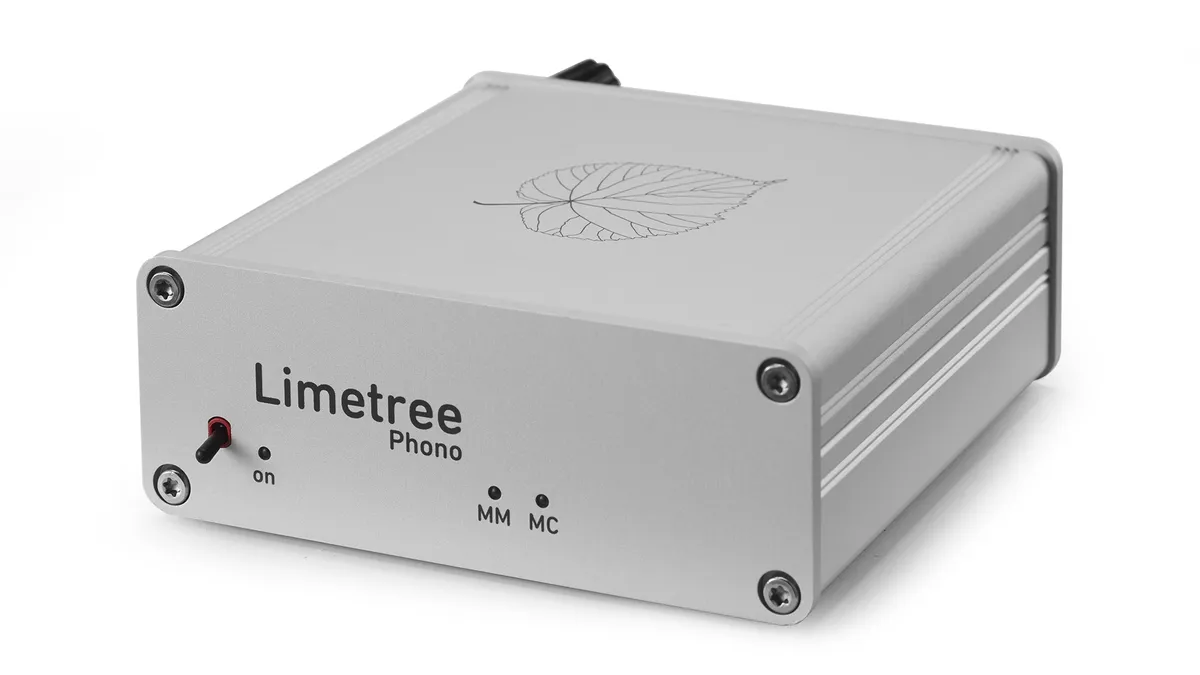
Moving magnet? Yes
Moving coil? Yes
Cartridge loading adjustment? Yes
Remote control? No
Dimensions (hwd) 4 x 10.7 x 13cm
Weight 295g
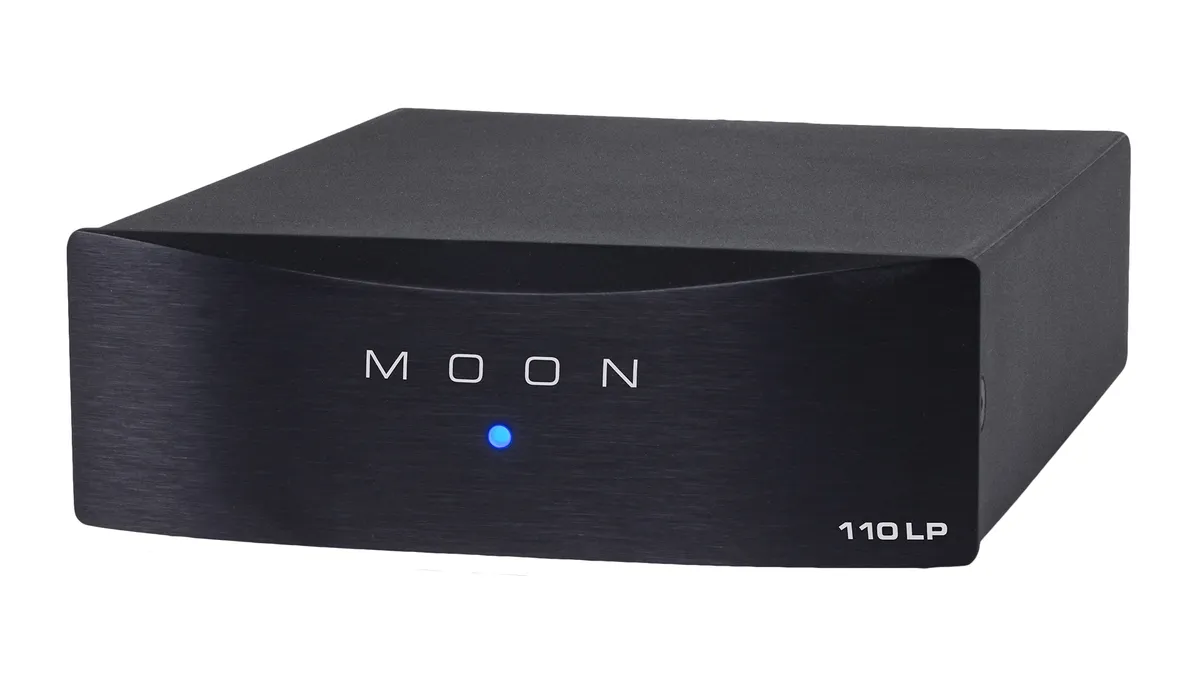
Moving magnet? Yes
Moving coil? Yes
Cartridge loading adjustment? Yes
Remote control? No
Dimensions (hwd) 4.2 x 12.7 x 16.5cm
Weight 1.5kg

A phono stage is arguably the most important electronic element in the signal path of a turntable-based system. It does the crucial job of amplifying the tiny signal produced by the cartridge, and applies the necessary tonal equalisation, so that the resulting sound you hear from your system is audible, accurate and well-balanced.
We've had three excellent outboard phono stages pass through our test rooms, all sitting together closely in the £500-£600 price range, and offering a considerable step up for any mid-priced to premium turntable system. How do they fare against each other, and which one is the best of the three?
It's perhaps a little bit of a spoiler that one of these models has already been announced as a newly crowned 2025 What Hi-Fi? Award winner in its category, but that doesn't mean the other two in this talented trio are not worth considering.
Quite the opposite, in fact. All three phono stages here – from Graham Slee, Lindemann and Moon – are five-star models, and have their own merits and sonic talents. We do, inevitably, find there is a clear running order in our preference when it comes to outright sound quality.
How we tested
All three phono stages were tested in our hi-fi reference system, which consists of the Technics SL-1000R turntable, Burmester 088/911 MKIII pre/power amplifier and ATC SCM50 speakers – a system that puts a spotlight on any limitations of the products on test. We also used more price-comparable products as part of our testing, such as the Arcam A15 integrated amplifier and KEF LS50 speakers.
Additionally, we used a variety of cartridges on the Technics, which included moving-magnet cartridges such as the Sumiko Rainier (£159 / $179 / AU$299), the Nagaoka MP-200 (£449 / $509 / AU$649) and Vertere’s Dark Sabre (£1450 / $1995 / AU$1895). Moving-coil cartridges used were the Ortofon MC-X30 (£599 / $699) and the more ambitious Kiseki Purpleheart MC (about two to three grand in price.)
Moon 110LP v2

It says something about the quality of this group test that the one recipient of multiple What Hi-Fi? Award wins in this sector is probably the least capable performer here.
It’s not that we have suddenly discovered some massive weakness in a product that we’ve been recommending for almost half a decade; it's more that newer competition has emerged that has raised the sound-quality standard considerably for a sub-£1000 outboard phono stage.
Make no mistake, the former Award-winning Moon’s 110LP v2 remains a fine performer that ticks plenty of boxes. It is nicely made, sensibly specified, and delivers, with moving-magnet cartridges in particular, what is by general standards a terrifically refined and insightful sound.
The aluminium box with its curved panel is beautifully machined and looks classier than most of its rivals at this price point, and it works with both moving magnet and moving-coil cartridges.
Even in a group as talented as this, it's hard to better the 110LP v2’s broad and spacious soundstage and innate smoothness.
In our review, we praise its “undemanding nature, which makes it easy to listen to over long sessions.” It’s a fluid, spacious and expansive presentation, with enough in the way of punch and rhythmic agility to be satisfied.
We say: “The stereo imaging is accomplished and remains stable even when the music becomes demanding. Overall, insight levels are good, though this isn’t a product that goes out of its way to highlight detail.”
If you are after an unfussy and easy-going performance, we still recommend that you put the Moon top of your shortlist.
For more in-depth detail, read our full Moon 110LP v2 review
Lindemann Limetree Phono II

Unless you have a moving-coil cartridge, in which case Lindemann’s Limetree Phono II becomes the obvious choice.
Admittedly, the Lindemann provides a different perspective on the music. It has a leaner and more up-front presentation than the Moon, and that makes it a little fussier about partnering cartridges and general system matching.
However, take a bit of care over those aspects and it proves a more musically communicative performer than the Moon. This holds true whether we are using moving magnet or moving-coil cartridges, but the talent gap is more significant with the latter.
The Limetree Phono II is an agile and articulate phono stage that resolves an impressive amount of detail and has the organisational skills to assemble all that information into a cohesive and musical whole.
It has strong dynamics and a firm grasp of rhythmic tracks. Sure, there isn’t quite the scale and space the Moon renders, but the payoff is a more obvious sense of rhythmic drive and attack.
We say in our review: “The Limetree Phono II confounds expectations and delivers high levels of clarity, plenty of detail and a good level of transparency. It reveals the well-balanced character of Ortofon’s new MC X30 moving coil, highlighting the cartridge’s powers of clarity, precision and expressive dynamics.”
Ultimately, of the two, the Lindemann is the one that gets us closer to the emotional core of the music being played. If you are looking for a switchable moving magnet/moving-coil phono stage anywhere near this price, we haven’t tested an alternative that we prefer.
Build, fit and finish of the petite phono stage are of a good standard, though the Moon edges ahead in these respects. The 100LP v2 really is a nicely turned-out thing.
For more in-depth detail, read our full Lindemann Limetree Phono II review
Graham Slee Reflex M

In contrast, the Graham Slee Reflex M is highly unlikely to win any beauty contests. The compact model is much closer to the no-nonsense Lindemann than it is to the classy Moon when it comes to aesthetics.
Importantly, though, it remains solidly made and worked faultlessly during our extended test sessions.
The lack of moving-coil compatibility is the obvious shortfall compared with its two rivals here. If you do have an MC cartridge, Graham Slee makes step-up devices to add to the Reflex M for the job, but they will cost extra.
Alternatively, it also makes a dedicated moving-coil version of this phono stage called the Reflex C, which will do the job. We haven’t tested it yet, but we would be surprised if it wasn’t worth a listen, given the quality of its moving magnet-only sibling.
If you are using a moving-magnet cartridge – and we suspect the vast majority of our readers fall into this category – then the Reflex M is our top choice in this group.
It is more insightful and honest-sounding than the Moon, delivering the kind of transparency that wouldn’t be out of place in products costing twice as much.
The Lindemann is great, but even here, the Reflex M pulls ahead thanks to a greater sense of solidity and a more fluid way with dynamic shifts. It punches hard when the music demands and delivers rhythmic tracks with class-leading verve.
In our review, we said: "This is an organised-sounding product that keeps a firm grip of the music’s various instrumental strands, while still able to tie them all together to deliver what is, at times, a thrilling experience.
“The level of detail resolution is excellent for the price, as is the way this unit renders subtleties such as instrumental textures and dynamic shading. Despite a generally even tonal balance that edges towards leanness, this phono stage has no problem revealing the natural warmth and richness in the recording, something many rivals struggle to replicate.”
For more in-depth detail, read our full Graham Slee Reflex M review
Verdict

All three phono stages have plenty to commend them, and you wouldn't be shortchanged no matter which model you pick.
The most unassuming model, the Graham Slee Reflex M, is moving magnet only, but of the three contenders in this £500-£600 price range, it’s the one that is most transparent to the music in the record groove. Great as the others are, this is where our money would go.
MORE:
How does a vinyl record make a sound?
Moving magnet vs moving coil cartridges: what are the differences and which is right for you?
Our guide to the best turntables we've tested and rated for every budget
Check out the best phono preamps we recommend across all budgets

